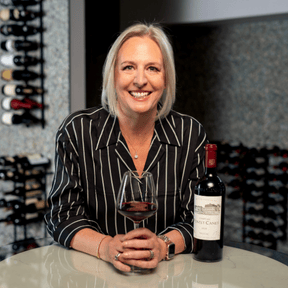
Hey wine lovers and curious sippers! Let’s dive into the delightful, pink-hued world of rosé wine. Whether you’re lounging by the pool, having a picnic, or just want to feel fancy on a Tuesday, rosé is the go-to wine that’s perfect for every occasion. Let’s uncork the secrets behind this versatile vino.
What Exactly is Rosé?
First off, rosé is not just a trendy drink with Instagrammable aesthetics. It’s a legitimate wine style that boasts a rich history and a wide variety of flavors. Rosé can be sweet or dry, light or full-bodied, and it always brings a refreshing vibe to your glass.
History of Rosé Wine: From Ancient Times to Modern Day
Hey there, wine enthusiasts! Ever wonder about the story behind that delightful glass of rosé you’re sipping? Let’s journey through the fascinating history of rosé wine, from its ancient origins to its current status as a beloved wine style.
Ancient Beginnings
The Origins
Rosé wine has been around for centuries, with its roots tracing back to ancient civilizations. The earliest wines made by the Greeks and Romans were likely closer to what we now recognize as rosé than to red wine. This was because ancient winemaking techniques didn’t include the prolonged maceration needed to make darker red wines.
Techniques
The Greeks spread their winemaking knowledge throughout their colonies, including what is now France. They produced wines with a shorter skin contact time, resulting in lighter-colored wines. Similarly, the Romans, who admired the Greek wine culture, adopted and refined these methods.
Medieval and Renaissance Periods
Evolution
During the Middle Ages, winemaking techniques evolved, and regions in what is now France began to specialize in different styles of wine. Rosé was a common wine in the medieval period, particularly in the Provence region, where it became a local specialty.
Monastic Influence
Monasteries played a crucial role in maintaining and developing winemaking traditions. Monks meticulously recorded their methods and improved the quality of the wines, including rosés.
The Rise of Provence Rosé
17th and 18th Centuries
By the 17th century, Provence had established itself as the heart of rosé wine production. The region’s climate and terroir were perfect for creating the light, crisp rosés we know today. French nobility and the upper classes began to take notice, and rosé gained a reputation as a prestigious wine.
Export and Popularity
The 18th century saw an increase in the export of Provence rosés to other parts of Europe. The British and other Europeans appreciated its refreshing qualities, making it a popular choice.
Modern Era and Global Popularity
20th Century
The modern era saw technological advances in winemaking, leading to more consistent and higher-quality rosés. In the 1970s, American consumers were introduced to rosé through the “White Zinfandel” craze, a sweeter, mass-produced version that became hugely popular.
Rosé Renaissance
The 21st century brought a rosé renaissance. Wine producers began focusing on making dry, sophisticated rosés, leading to a resurgence in popularity. Provence remained the benchmark, but other regions like California, Italy, and Spain also gained recognition for their rosé wines.
Cultural Icon
Today, rosé is celebrated worldwide. It’s become a symbol of the good life, often associated with summer, relaxation, and elegance. Its versatility and appeal have made it a staple at wine bars, picnics, and social gatherings.
Key Developments in Rosé Winemaking
Innovations
Modern winemaking techniques, such as temperature-controlled fermentation and precise blending, have enhanced the quality and variety of rosé wines available today. Winemakers experiment with different grape varietals and methods to create unique expressions of rosé.
Marketing and Trends
The marketing of rosé has also played a role in its popularity. The “rosé all day” trend and the wine’s presence on social media platforms have made it a cultural phenomenon. Its aesthetically pleasing color and branding have contributed to its status as a lifestyle wine.
Rooftop bar above the Old Town Vieille Ville, Nice South of France
Locations that Love Their Rosé
Rosé is made all over the world, but some regions have really mastered the art:
Provence, France: The undisputed queen of rosé. Provence rosés are typically dry, pale in color, and full of bright, crisp flavors. Think strawberry, citrus, and a hint of melon.
Tuscany, Italy: Known for their “Rosato”, these wines are often a bit bolder, with more pronounced berry flavors and a touch of spice.
California, USA: From Sonoma to Napa, Californian rosés tend to be fruit-forward with a slightly richer texture. Perfect for those who enjoy a bit of oomph in their wine.
Anjou, France: Located in the Loire Valley, Anjou rosés are often medium-bodied with flavors of red berries and a slight sweetness. They can range from dry to off-dry and are known for their vibrant acidity.
Languedoc, France: This region produces a diverse array of rosés, from light and crisp to fuller-bodied styles. Languedoc rosés often feature flavors of ripe red fruits, herbs, and sometimes a hint of spice, reflecting the Mediterranean climate and varied terroir.
Grape Varietals: The Stars of the Show
Rosé can be made from virtually any red grape. Here are a few common ones:
Grenache: Often used in Provence, it gives the wine a lovely strawberry and watermelon profile.
Syrah: Adds a bit of spice and darker fruit notes.
Pinot Noir: Delicate and elegant, with flavors of cherry and raspberry.
Sangiovese: Popular in Italian rosatos, bringing cherry and floral notes.
Cinsault: Frequently found in blends from Provence and Languedoc, it contributes freshness, soft red fruit flavors, and floral notes.
Grolleau: Common in the Loire Valley, especially in Anjou rosés, it offers bright acidity and flavors of red berries and herbs.
The Art of Making Rosé
There are a few methods to craft this pink perfection:
1. Direct Pressing: Red grapes are pressed gently, allowing the juice to have minimal skin contact, resulting in a light pink color.
2. Maceration: Red grape skins are left in contact with the juice for a short period, usually a few hours to a couple of days, to extract just the right amount of color and flavor.
3. Saignée: A portion of the juice is “bled off” early during red wine fermentation, concentrating the red wine while producing a robust rosé.
Color and Flavor Profiles
The color of a rosé can tell you a lot about its taste. Here’s a quick cheat sheet:
Pale Pink (Provence style)**: Expect light, crisp, and dry flavors with notes of citrus, peach, and minerals.
Medium Pink (California style)**: Often fruitier with flavors of strawberry, raspberry, and sometimes a hint of sweetness.
Deep Pink (Spanish Rosado)**: More intense flavors, sometimes spicy with darker fruit notes like cherry and plum.
Rosé Terminology 101
Blush: An American term, often interchangeable with rosé, but can imply a sweeter wine.
Rosado: Spanish for rosé, typically bolder and fruitier.
Vin Gris: Literally “gray wine” in French, referring to very pale rosé made from red grapes.
Why Rosé Rocks
Rosé is like the chameleon of the wine world. It pairs beautifully with a wide array of foods, from light salads and seafood to grilled meats and spicy dishes. Plus, it’s incredibly versatile and can be enjoyed year-round, though it’s particularly popular in the warmer months.
So, next time you’re in the mood for something refreshing, vibrant, and just downright fun, reach for a bottle of rosé. Trust me, it’s always a good idea to have a little sunshine in your glass. Cheers to pink drinks and happy sips! ??
Hey there, wine lovers! Today, we’re embarking on a journey to one of the most exciting wine regions in the world: California. Picture rolling vineyards, endless sunshine, and glasses filled with liquid gold. So, let’s grab our sunglasses and dive into the captivating world of California wine.
History
The history of the California wine industry is a fascinating journey that mirrors the dynamic spirit of innovation and perseverance. It all began in the 18th century when Spanish missionaries planted the first vineyards to produce sacramental wine. These early plantings, primarily of a grape known as the Mission grape, laid the foundation for California’s future in winemaking.
The real transformation began during the Gold Rush era in the mid-19th century. As fortune seekers flocked to California, they brought with them a demand for wine. Pioneers like Agoston Haraszthy, often hailed as the “Father of California Viticulture,” played a crucial role in this period. Haraszthy introduced a wide variety of European grape vines, vastly expanding the potential of California’s vineyards. By the late 1800s, wine production was flourishing, with regions like Napa Valley and Sonoma establishing themselves as prominent wine-growing areas.
However, the early 20th century brought significant challenges. Prohibition, enacted in 1920, dealt a severe blow to the wine industry, halting production and leading to the destruction of many vineyards. Despite this setback, some wineries managed to survive by producing sacramental wine, which was still legally permitted. When Prohibition ended in 1933, the industry faced the daunting task of rebuilding.
The post-Prohibition era saw a gradual revival, but it wasn’t until the 1960s and 70s that California truly began to shine on the global stage. Visionary winemakers like Robert Mondavi championed quality and innovation, focusing on producing wines that could rival the best in the world. This dedication paid off spectacularly in 1976 during the famous “Judgment of Paris” tasting, where California wines outperformed their French counterparts in a blind tasting, gaining international acclaim.
Today, California is one of the most important wine regions in the world, producing over 80% of American wine. The state’s diverse climate and terroir allow for a wide range of grape varieties and wine styles, from the robust Cabernet Sauvignon of Napa Valley to the elegant Pinot Noir of Sonoma and the innovative blends of the Central Coast.
The California wine industry’s history is a testament to resilience and innovation, continually evolving and adapting while honoring its rich heritage. As it moves forward, California remains at the forefront of global winemaking, combining tradition with cutting-edge techniques to produce wines that delight connoisseurs around the world.
Location and Terroir
Located along the majestic west coast of the United States, California boasts an ideal location for winemaking. Stretching from the sun-kissed valleys of Napa and Sonoma to the Central Coast and beyond, this vast region is a wine paradise. With diverse microclimates and a variety of terroirs, California offers a kaleidoscope of flavors and styles to explore.
When it comes to terroir, California’s diverse geography takes center stage. From the coastal regions influenced by the cool Pacific breezes to the inland valleys, each area has its own unique combination of soil types, elevations, and microclimates. The result? Wines that embody the essence of their terroir, reflecting the characteristics of the land they call home.
Climate
Now, let’s talk climate. California’s wine regions are blessed with a Mediterranean climate, which means plenty of warm, sunny days and cool nights. This combination is a winemaker’s dream, allowing the grapes to ripen fully while retaining the natural acidity that gives the wines their refreshing zing. Mother Nature certainly plays her part in creating some of the world’s best wines.
In Northern California, Napa Valley steals the spotlight with its world-class Cabernet Sauvignon. The region’s volcanic soils and warm climate contribute to rich, full-bodied wines with intense dark fruit flavors and velvety tannins. And let’s not forget about the iconic Chardonnay and Sauvignon Blanc from this region, offering a balance of tropical fruit and refreshing acidity.
Moving down the coast, we find ourselves in Sonoma County, a wine region known for its diversity. From the fog-kissed vineyards of the Russian River Valley to the sun-drenched slopes of Dry Creek Valley, Sonoma produces an array of exceptional wines. Pinot Noir and Chardonnay shine here, showcasing elegance, complexity, and a touch of the region’s cool-climate charm.
Venturing further south, the Central Coast beckons with its laid-back vibes and stunning landscapes. This expansive region encompasses renowned areas like Paso Robles, Santa Barbara, and Monterey. The cool ocean influence, coupled with varied soil compositions, leads to a kaleidoscope of flavors. Zinfandel, Rhône varietals like Syrah and Grenache, and Pinot Noir are just a few of the stars in this vibrant wine scene.
Of course, we can’t forget about California’s sparkling wines! The region’s dedication to quality and innovation extends to the world of bubbles. From traditional method sparkling wines made in the style of Champagne to playful and fruit-forward options, California’s sparkling wines offer a celebration in every sip.
California’s wine country is not just about the wine—it’s an experience. The rolling vineyards, charming wineries, and welcoming hospitality make it a dream destination for wine enthusiasts and curious travelers alike. Whether you’re sipping a bold Cabernet Sauvignon in Napa Valley or enjoying a crisp Chardonnay overlooking the Pacific in Santa Barbara, each glass tells a story of passion, dedication, and the California spirit.
Grape Varietals and Wine Styles
When it comes to grape varietals, California’s got it all—literally! This diverse region boasts a plethora of grape varieties, thanks to its wide range of microclimates and terroirs. Whether you’re a fan of red, white, or something in between, California has a wine to tantalize your taste buds.
Let’s start with the reds, shall we? Cabernet Sauvignon, the king of red grapes, reigns supreme in California. From the legendary vineyards of Napa Valley to the hidden gems of Paso Robles, Cabernet Sauvignon here is bold, powerful, and full of character. Picture rich flavors of blackcurrant, blackberry, and a hint of eucalyptus, wrapped in velvety tannins that dance on your palate.
But that’s not all! Zinfandel, a grape with California roots dating back to the Gold Rush era, thrives in the warm climates of regions like Lodi and Amador County. Bursting with juicy berry flavors and a touch of spice, Zinfandel is perfect for those who prefer a fruit-forward and luscious red wine.
Moving on to the whites, California offers a fantastic array of options. Chardonnay, the superstar of white grapes, takes center stage here. From the buttery, oak-aged beauties of Sonoma to the crisp and elegant expressions of Monterey, California Chardonnay delights with flavors of tropical fruits, citrus, and a touch of vanilla. It’s the perfect companion for a sunny afternoon or a delicious seafood feast.
But wait, there’s more! Sauvignon Blanc, known for its refreshing acidity and vibrant flavors, thrives in California’s cool coastal regions. Picture zesty notes of citrus, tropical fruits, and a hint of freshly cut grass—it’s like a burst of sunshine in your glass. Sip on a chilled Sauvignon Blanc from regions like Sonoma or Santa Barbara, and you’ll feel the ocean breezes tickling your taste buds.
Let’s not forget about the sparkling wines! While Champagne may be the queen of bubbles, California’s sparkling wines, often called “California Sparkling” or “Méthode Champenoise,” are a true delight. Crafted using the traditional method, these effervescent beauties offer elegance, finesse, and a vibrant expression of the region’s terroir. Pop open a bottle for any celebration, big or small.
Unique Terminology
Now, let’s explore the unique terminology of the California wine scene. When exploring the region, you’ll encounter the term “Old Vine.” This refers to vineyards home to ancient, gnarled grapevines that have weathered the test of time. These vines, often over a century old, yield wines of exceptional depth and complexity, showcasing the wisdom and resilience of California’s winemaking history.
Another term to look out for is “Rhone-style.” Inspired by the wines of France’s Rhône Valley, many California winemakers craft wines using grape varieties like Syrah, Grenache, and Mourvèdre. These Rhone-style wines capture the region’s spirit, with their bold fruit flavors, spice notes, and a touch of California’s sun-drenched warmth.
Conclusion
In conclusion, California wine country is a paradise for wine lovers, offering an incredible diversity of grape varietals, wine styles, and beautiful backdrops that reflect its rich history and innovative spirit. From the iconic Cabernet Sauvignon and Chardonnay to the bold Zinfandel and crisp Sauvignon Blanc, California’s wines embody the essence of their terroir and the creativity of their winemakers. Whether you’re exploring the rolling vineyards of Napa Valley, Sonoma’s diverse landscapes, or the Central Coast’s laid-back charm, every sip of California wine tells a story of passion, dedication, and the perfect blend of tradition and innovation. So, remember that California’s wine country awaits you with endless possibilities and unforgettable experiences.
Hey there, wine enthusiasts and curious readers! Today, we’re diving into the magical world of Champagne. No, not the sparkling wine you pop open to celebrate special occasions (although we’ll get to that too), but the actual region in France where it all began. So grab a glass (of any wine you fancy) and let’s embark on this delightful journey to Champagne!
Location and Terroir
First things first, let’s set the scene. Champagne is located in northeastern France, just a short distance from the country’s capital, Paris. Nestled in the historic region of Grand Est, this enchanting place is renowned for its vineyards, rolling hills, and charming villages. Imagine picturesque landscapes that stretch as far as the eye can see, with vineyards that seem to blend seamlessly into the horizon.
Wine Growing Areas of France
Nestled in the northeastern part of France, Champagne is just a stone’s throw away from the glitz and glamour of Paris. Picture rolling hills adorned with vineyards, picturesque villages, and historic wineries that exude charm at every turn. This region is a true gem, offering a perfect blend of tranquility and wine-soaked adventure.
Champagne Wine Region
Ah, terroir! This is where things get really interesting. The terroir of Champagne is a harmonious medley of soil, climate, and the human touch. The region’s chalky and limestone-rich soils are the secret sauce behind the flavors and textures that make Champagne so irresistible. These chalky soils act like sponges, absorbing and releasing heat, and ensuring the grapes ripen slowly and evenly.
But it’s not just about the soil. Champagne’s hilly landscape plays a vital role too. The slopes provide excellent drainage, allowing the vine roots to dig deep into the earth in search of water and nutrients. This struggle for survival results in vines that produce grapes with concentrated flavors and vibrant acidity. It’s nature’s way of creating the perfect canvas for winemakers to work their magic.
Climate
Now, let’s talk about the climate. Champagne boasts a unique climate that sets the stage for its distinctive wines. It’s a cool climate region, thanks to its northerly latitude and its proximity to the Atlantic Ocean. As a result, the weather here is a bit moody, with cool temperatures and a relatively short growing season. But hey, adversity breeds character, right? In the case of Champagne, these challenging conditions give rise to grapes that are vibrant, crisp, and brimming with mouthwatering acidity.
Vineyard in the Champagne wine region, Summer 2023. Photo Credit: Carla Anderson
Grape Varietals
Speaking of grapes, Champagne has some star players in its vineyards. The region predominantly focuses on three main grape varietals: Chardonnay, Pinot Noir, and Meunier. Each grape brings its own personality to the bottle, contributing to the complexity and diversity of Champagne wines.
Chardonnay Grapes
Pinot Noir Grapes
Meunier Grapes
Chardonnay, known for its elegance and finesse, thrives in Champagne’s limestone and chalky soils. It adds brightness, citrus notes, and a touch of minerality to the final sparkling wine blend. Pinot Noir, on the other hand, brings depth, structure, and red fruit flavors like cherry and strawberry. It thrives in the region’s slightly warmer microclimates. Finally, we have Pinot Meunier, which adds a fruity and approachable character, often providing a youthful and vibrant touch to the final cuvée.
Méthode Champenoise
Champagne is famous for its production method, known as the méthode champenoise or traditional method. This process involves a second fermentation that takes place inside the bottle, creating those delightful bubbles we associate with Champagne. It’s a labor-intensive technique that requires skill and patience, but the result is a sparkling wine that’s truly worth celebrating.
Wine Styles
When it comes to Champagne, it’s not just about the fizzy stuff. This region in northeastern France is renowned for its diverse range of wine styles that cater to every palate. I invited some friends over and opened all five sparkling wine styles at once so we could compare and contrast, bringing our findings to you! Let’s dive into some of the captivating styles you’ll encounter in Champagne.
Lineup of 5 Wine Styles of Champagne – Non-Vintage, Grand Cru, Blanc de Blancs, Blanc de Noirs and Rosé.
Non-Vintage (NV) Champagne
This is the most common style of Champagne you’ll come across. Non-vintage Champagnes are made from a blend of wines from multiple years. The aim here is consistency, as winemakers strive to create a house style that showcases the unique characteristics of their vineyards year after year. They often blend wines from different grape varieties and vineyard sites to achieve a harmonious balance.
Non-Vintage Brut Champagne with an array of Champagne-friendly foods.
Vintage Champagne
Vintage Champagne is produced from grapes harvested in a single exceptional year. These wines reflect the distinctive qualities of that particular vintage and are often regarded as the crème de la crème of Champagne. Winemakers carefully select the best grapes to create an exquisite expression of the year’s unique climate and terroir. Vintage Champagnes typically offer greater depth, complexity, and aging potential.
Grand Cru SIngle Vintage (2015)
Champagne bottle next to sparkling glass of bubbly.
Blanc de Blancs
If you’re a fan of elegant and crisp Champagne, Blanc de Blancs is your go-to style. This term, which means “white from whites,” refers to sparkling wine made exclusively from Chardonnay grapes. Chardonnay shines in this style, showcasing its vibrant acidity, citrus notes, and delicate floral aromas. Blanc de Blancs Champagnes are often associated with finesse, purity, and a refreshing mineral character.
Blanc de Blancs style Champagne
Blanc de Noirs
For those who prefer a richer and more full-bodied Champagne, Blanc de Noirs is the way to go. Translating to “white from blacks,” Blanc de Noirs sparkling wines are crafted exclusively from black-skinned grapes, namely Pinot Noir and/or Pinot Meunier. These wines offer an array of flavors, ranging from red fruit and berry notes to hints of spice and depth. They possess a luscious texture, making them perfect for food pairings.
Blanc de Noirs
Rosé Champagne
Rosé Champagne is the epitome of elegance and romance in a glass. It can be made through two methods: blending or saignée. Blending involves adding a small amount of red wine to the sparkling wine blend, imparting a delicate pink hue. Saignée, on the other hand, involves briefly fermenting the juice with the grape skins to extract color. Rosé Champagnes often exhibit delightful berry flavors, floral aromas, and a touch of toastiness.
Demi-Sec Rosé. Note that since this label is from outside of Champagne, it is labeled as Sparkling.
Our Experience
What did we love? In the end, we all agreed the Non-Vintage Brut was what we all had in mind for a nice glass of sparkling wine. The Grand Cru Single Vintage did indeed give more depth, but for us (on this day) it wasn’t so much better to support the higher price tag.
Since beginning my wine studies, I have always loved a Blanc de Blancs as I am a sucker for some tasty minerality. On this day, I found I enjoyed the Blanc de Noirs far more with the food – likely due to the berries and just better matchability (new word?) with our culinary spread.
Cremant d’Alsace was also on the table but is not a true Champagne. It is sparkling wine produced in Alsace, a separate wine region. Although it is also made in the Traditional Method it can not be called Champagne. This was our least favorite. We enjoyed it, but we simply enjoyed the other options more.
Finally, the Demi-Sec Rosé. Everyone (but me) was afraid of a “sweet wine” but they agreed to humor me and try them all. Surprise! Everyone thought that the demi-sec was quite nice and balanced and really went well with the food.
* For the fine print, this bottle was a Vin de France and made in the Methode Ancestrale – so technically not a true Champagne either. Sometimes we just have to go with what’s available at the time and not stress too much.
Overall, we looked at all the types of Champagne that we tried. Our favorite? The consensus was that if we simply want a glass of Champagne, with no other parameters, then the Non Vintage Brut was it. It’s a classic.
Food Pairings
If you’re wondering what dishes to pair with that bottle of bubbly sparkling wine goodness, I’ve got you covered. Champagne is not just a celebratory drink; it also makes a fantastic companion to a wide range of delectable culinary delights. So, let’s explore some excellent food pairings that will take your Champagne experience to a whole new level!
From Left: Crackers, Nuts, Quince, Caviar (on ice), Sausage Slices (Top), Brie (Middle), Comte (Below) , Forefront: Potato Chips and Oysters.
Oysters
Nothing says “classic pairing” quite like Champagne and oysters. The briny, delicate flavor of oysters harmonizes beautifully with the crisp acidity and effervescence of Champagne. It’s a match made in seafood heaven!
Tray of eight fresh shucked oysters on a pearl shell tray with ice.
Caviar
Indulge in the ultimate luxury by pairing Champagne with some exquisite caviar. The richness of the caviar, with its buttery and slightly salty notes, finds a delightful contrast in the lively bubbles of Champagne. Together, they create a symphony of flavors on your palate.
Dish of black caviar.
Cheese
Champagne and cheese are a dynamic duo. Soft and creamy cheeses like Brie or Camembert create a heavenly contrast with the refreshing acidity of Champagne. If you prefer a harder cheese, try pairing Champagne with aged Gouda or Comté for a delightful combination of flavors. In our taste test, the brie was a nice creamy complement, but we found that we kept going back to the Comte as it created such amazing texture and contrast to the bubbly.
Cremant d’Alsace with Brie cheese. Cremant is made in the Traditional method, but outside the region of Champagne.
Sushi and Sashimi
Champagne’s crispness and vibrant acidity make it an ideal partner for sushi and sashimi. The clean flavors of raw fish and the delicate umami notes in soy sauce create a harmonious balance with the lively bubbles and elegant character of Champagne.
Alternating Sushi Rolls
Truffle Risotto
Elevate your Champagne experience by pairing it with a luxurious truffle risotto. The earthy flavors and creamy texture of the risotto beautifully complement the complexity and finesse of Champagne. It’s a combination that will make your taste buds sing.
Strawberries
Champagne and strawberries have long been known as a classic duo. The sweet juiciness of ripe strawberries finds a delightful companion in the light, refreshing bubbles of Champagne. It’s a perfect pairing for a sunny afternoon or a romantic dessert.
Champagne Flutes with a single Strawberry inside.
Lobster
Treat yourself to a decadent feast by pairing Champagne with succulent lobster. The richness and delicate sweetness of the lobster meat are beautifully complemented by the zesty acidity and effervescence of Champagne. It’s a match that embodies pure indulgence.
Lobster
Potato Chips
Yes, you read that right! Champagne and potato chips are a surprisingly delightful combination. The salty crunch of the chips finds harmony with the effervescence and acidity of Champagne, creating a playful and unexpected pairing that is sure to impress. Personally, this is one of my favorites.
Remember, these are just a few ideas to get your taste buds tingling. The beauty of Champagne is its versatility, so don’t be afraid to explore and experiment with different flavors and cuisines. Cheers to the perfect union of Champagne and food!
Chilling, Serving, and Storing Champagne
Whether you’re hosting a celebration or just indulging in a glass of bubbly at home, these tips will ensure your Champagne experience is nothing short of spectacular.
Chilling Champagne and Sparkling Wines
Keep it cool, folks! The ideal serving temperature for Champagne is between 45°F and 50°F (7°C to 10°C). To chill your Champagne, pop it in the refrigerator for about two to three hours before serving. If you’re in a hurry, you can also chill it in an ice bucket filled with ice and water for around 30 minutes. Just remember not to leave it in the freezer for too long—it could freeze and lose those precious bubbles!
Champagne Bottle in Crystal Ice Bucket filled with ice and water.
Water in the bucket chills the wine more quickly as it covers more surface area than ice alone.
Serving Champagne and Sparkling Wines
It’s time to pop that cork and pour yourself a glass of joy. When pouring Champagne, hold the bottle at a slight angle, allowing the wine to gently slide into the glass. Start with a small pour to avoid overflowing and then top up if desired. Oh, and keep those flutes clean—residue from soap or dishwasher can kill the bubbles. No one wants flat Champagne!
Storing Opened Bottles
So, you couldn’t finish the whole bottle (no judgment here). To keep your leftover Champagne fresh, it’s essential to preserve those bubbles. Invest in a Champagne stopper to seal the bottle tightly. Store it in the refrigerator, and try to consume it within two to three days for the best flavor and effervescence.
Place Closure on Top of Bottle Mouth
Close wings of Closure Down over Lips of the Bottle
Storing Unopened Bottles
Got a stash of Champagne you’re saving for a special occasion? Lucky you! To store unopened Champagne, keep it in a cool, dark place away from sunlight and temperature fluctuations. Lay the bottles on their sides to keep the corks moist, preventing them from drying out. Avoid storing Champagne in the kitchen or near appliances that generate heat. Remember, you’re preserving a moment in time, so handle with care!
Popping the Cork – How to Open a Bottle of Champagne
Ah, the thrilling sound of a Champagne cork popping! When it’s time to celebrate, hold the bottle at a 45-degree angle with your thumb on top of the cork, and gently twist the bottle—not the cork! Slowly ease out the cork with a slight downward pressure while maintaining control. And please, aim away from people and fragile objects—it’s all about safety first!
How to Safely Open a Bottle of Champagne and Sparkling Wines
Glassware
Choosing the right glassware can enhance your Champagne experience. Flutes are the classic choice, with their tall, narrow shape preserving the bubbles and allowing the aromas to concentrate. However, if you prefer a broader surface area for the aromas to develop, opt for tulip-shaped glasses or white wine glasses. The key is to have fun and savor every sip!
Popping the Bubbles
Remember to handle Champagne bottles with care. The pressure inside can be around three times that of a car tire! So, avoid shaking the bottle vigorously or agitating it too much. We want to enjoy the bubbles in our glasses, not all over the room.
Don’t Judge a Sparkling Wine by Its Pop
The volume of the popping sound when opening Champagne doesn’t necessarily indicate quality. It’s the taste, aroma, and overall experience that genuinely matter. So, don’t fret if the pop is a bit timid. The magic is waiting for you inside the bottle.
With these tips in your Champagne toolkit, you’re all set to chill, serve, and store your bubbly treasures like a pro.
Cages from 5 wine bottles (wine styles) from Champagne.
Unique Terminology
Now, let’s dive into some unique terminology you’ll encounter when exploring Champagne:
Cuvée: In Champagne, the term “cuvée” refers to the best-quality juice or blend selected by the winemaker. It represents the pinnacle of their craftsmanship and is often used for the finest Champagnes in their portfolio.
Lees: After the second fermentation, Champagne undergoes aging on its lees. Lees are the spent yeast cells that settle at the bottom of the bottle. This process, known as “sur lie” aging, imparts complexity, richness, and creamy textures to the wine. It’s a key factor in the development of those delectable brioche and toasty notes found in Champagne.
Dosage: Dosage is a small amount of wine and sugar solution added to Champagne just before final corking. It balances the wine’s acidity and adds a touch of sweetness.
Conclusion
Beyond the wine itself, Champagne offers a rich tapestry of history and culture. The region is dotted with prestigious Champagne houses and family-owned wineries, where you can discover the art of winemaking and indulge in sparkling wine tastings that will make your taste buds dance with joy. The charming towns of Reims and Epernay are must-visit destinations, with their stunning cathedrals, underground cellars, and a palpable sense of Champagne’s heritage.
So, whether you’re toasting to a special occasion or simply savoring a glass of bubbly on a cozy evening, Champagne is a region that holds a special place in the hearts of wine lovers worldwide. Its unique climate, grape varietals, and traditional production methods all contribute to the allure and enchantment of this renowned wine region.
Remember, Champagne is more than just a drink. It’s an experience, a celebration, and a testament to the passion and dedication of those who have crafted this effervescent elixir for centuries.
So, my wine-loving friends, the next time you raise your glass of Champagne, take a moment to appreciate the journey that brought it to your lips, and let the bubbles transport you to the rolling hills of this extraordinary French wine region. Cheers!
This past week the weather cooled down considerably. I have been tasting several Pinot Noirs for work. I have been craving a dish that would be a break from Easter ham leftovers.
Inspiration
I’ve been craving white meat but wanted something that could stand up to a comfy red wine in this cooler weather. Since I was writing about the Flavor Savory-Umami last week, I immediately thought about mushrooms. This recipe is an evolution of that inspiration. I started with a basic framework of Chicken in Madiera and then added nuts for texture. This works well because the mushrooms, shallots, almonds and soy sauce together in this recipe have the “oomph” of umami to stand up to red wine – Pinot Noir, in this case. I added Truffle Oil at the end to bring in the richness of flavorful fat and a bit of apple cider vinegar to bring in a little acid and brightness. Finishing with the fresh herbs keeps the dish from getting too heavy.
Saving Time
I used grocery store baked thigh/leg chicken parts. You could easily bake or grill your own chicken parts if you prefer. You could also utilize other parts, such as a chicken breast, if you like. I fried these off to improve their texture, get a few meaty bits for the sauce and then reheated the chicken pieces in a warm oven. You’ll notice this added almost no time and the chicken is reheated while everything else is happening. I believe in simplicity and time-saving wherever I can find it.
Let’s Get Cooking!
Assemble Ingredients
In the Medium Nonstick Pan, toast the slivered almonds over medium heat until golden brown, stirring often. Move toasted almonds to a paper towel or bowl.
Meanwhile, place cooked chicken parts in the Large Nonstick pan over Medium High heat for 3 minutes each side. Move parts into Medium Nonstick pan and place into cold oven. Set oven to 350 degrees. (Do not Preheat)
Add 1 tbsp Butter to Large Nonstick Pan. Add Shallots and saute over Medium heat for 1-2 minutes until softened and golden.
Remove Large pan from heat. Add Red Wine. Reapply heat and bring wine to a simmer. Reduce for 3 minutes.
Add Mushrooms to the Large pan. Cook over Medium heat until mushrooms have soaked up the sauce and have reduced and softened.
Turn off the oven. Allow chicken to remain in warrm oven.
Add Vinegar and Soy Sauce to Mushroom sauce. Season to taste. Cook for another 1-2 minutes.
Remove pan from heat. Stir in chilled butter, one piece at a time until incorporated into the sauce. The color will soften and the sauce will become silkier.
Plating
Remove chicken from the oven and place each chicken piece (2) on a plate or shallow bowl.
Top each piece of Chicken with half of the Mushroom Sauce
Garnish with Toasted Almonds, Parsley and Rosemary. Drizzle the Truffle Oil over the top of the Chicken and Mushrooms. Season to taste.
6ozWhite Button Mushrooms Sliced into 1/2 inch wide sticks
1/4cupSlivered Almonds
1tbspButter
1Shallotminced
1/2cupRed Wineuse more for more sauce
1tbspSoy Sauce
1/2tbspApple Cider Vinegar
1/2tbspTruffle Oil
1tbspRosemarychopped
1tbspParsleychopped
2tbspButtercut into 4 parts and chilled
Salt & Pepper
Instructions
Assemble Ingredients
In the Medium Nonstick Pan, toast the slivered almonds over medium heat until golden brown, stirring often. Move toasted almonds to a paper towel or bowl.
1/4 cup Slivered Almonds
Meanwhile, place cooked chicken parts in the Large Nonstick pan over Medium High heat for 3 minutes each side. Move parts into Medium Nonstick pan and place into cold oven. Set oven to 350 degrees. (Do not Preheat)
2 Chicken parts, leg and thigh sections
Add 1 tbsp Butter to Large Nonstick Pan. Add Shallots and saute over Medium heat for 1-2 minutes until softened and golden.
1 tbsp Butter, 1 Shallot
Remove Large pan from heat. Add Red Wine. Reapply heat and bring wine to a simmer. Reduce for 3 minutes.
1/2 cup Red Wine
Add Mushrooms to the Large pan. Cook over Medium heat until mushrooms have soaked up the sauce and have reduced and softened.
6 oz White Button Mushrooms
Turn off the oven. Allow chicken to remain in warrm oven.
Add Vinegar and Soy Sauce to Mushroom sauce. Season to taste. Cook for another 1-2 minutes.
1/2 tbsp Apple Cider Vinegar, 1 tbsp Soy Sauce
Remove pan from heat. Stir in chilled butter, one piece at a time until incorporated into the sauce. The color will soften and the sauce will become silkier.
2 tbsp Butter
Plating
Remove chicken from the oven and place each chicken piece (2) on a plate or shallow bowl.
Top each piece of Chicken with half of the Mushroom Sauce
Garnish with Toasted Almonds, Parsley and Rosemary. Drizzle the Truffle Oil over the top of the Chicken and Mushrooms. Season to taste.
Grenache is a red wine grape variety that is believed to have originated in Spain. It is one of the most widely planted grape varieties in the world, particularly in France and Spain, and is often used as a blending grape to add body and fruitiness to other wines.
History and Origin
Grenache is believed to have originated in the region of Aragon in northern Spain, where it is known as Garnacha. It was then brought to other parts of Spain, as well as to southern France, where it became a popular grape variety. Today, Grenache is widely grown throughout the world, including in the United States, Australia, and South Africa.
Characteristics
Grenache is known for its fruity and spicy flavors, with notes of cherry, strawberry, blackberry, and black pepper. It has a medium to high level of acidity and a low to medium level of tannins, making it a wine that is easy to drink and pairs well with a wide range of foods. Grenache wines are often high in alcohol, with typical levels ranging from 14-16%.
Grenache is a versatile grape variety that can be used to make a wide range of wines, from light-bodied and fruity to full-bodied and complex. In Spain, Grenache is often used to make Rioja and Navarra wines, while in France it is used to make Châteauneuf-du-Pape, Gigondas, and other Rhône-style blends.
In addition to its use in red wines, Grenache is also used to make rosé wines, particularly in France’s Provence region. These rosé wines are often light-bodied and fruity, with flavors of strawberry and raspberry.
Well-Known Examples
Grenache is a red wine grape variety that is widely planted around the world. It is known for its fruity and spicy flavors, medium to high level of acidity, and low to medium level of tannins. Grenache is used to make a wide range of wines, from light-bodied and fruity to full-bodied and complex.
Here are some well-known examples and top 10 producing wine regions of Grenache:
Châteauneuf-du-Pape: This is a famous wine from the southern Rhône region of France, where Grenache is the dominant grape variety. Châteauneuf-du-Pape wines are typically full-bodied and complex, with flavors of dark fruit, spices, and herbs.
Priorat: This is a wine region in Catalonia, Spain, where Grenache is blended with other grape varieties to make rich, full-bodied wines with flavors of black fruit, chocolate, and spices.
Gigondas: This is another southern Rhône wine region in France, where Grenache is blended with Syrah and Mourvèdre to make full-bodied, spicy wines with notes of dark fruit and herbs.
Sardinia: In this Italian island, Grenache is known as Cannonau, and it is used to make full-bodied wines with flavors of cherry, blackberry, and herbs.
Rioja: This is a wine region in northern Spain where Grenache is used to make rich, full-bodied wines with flavors of dark fruit, vanilla, and spices.
Top 10 Producing Grenache (or Garnacha) Wine Regions
Spain: Spain is the largest producer of Grenache in the world, with more than 200,000 acres of the grape planted.
France: France is the second-largest producer of Grenache, with most of the production coming from the southern Rhône region.
Australia: Australia is a major producer of Grenache, particularly in the Barossa Valley and McLaren Vale regions.
United States: California is the largest producer of Grenache in the United States, with most of the production coming from the Central Coast and Paso Robles regions.
Italy: Italy is a significant producer of Grenache, particularly in the Sardinia region.
Chile: Chile is a major producer of Grenache, particularly in the Colchagua Valley region.
South Africa: South Africa is a significant producer of Grenache, particularly in the Swartland and Stellenbosch regions.
Argentina: Argentina is a growing producer of Grenache, particularly in the Mendoza region.
Greece: Greece is a small but significant producer of Grenache, particularly in the Aegean Islands region.
Portugal: Portugal is a small producer of Grenache, particularly in the Alentejo region.
Food Pairing
Grenache is a versatile grape that can pair well with a wide variety of foods. Here are some excellent food pairings for Grenache:
Lamb: Grenache’s fruity and spicy flavors make it an excellent pairing for lamb, particularly grilled or roasted lamb chops.
Beef: Grenache’s medium to full body and low tannins make it a good match for beef dishes such as steak, beef stew, or beef kebabs.
Mediterranean cuisine: Grenache’s herbal and earthy notes make it a natural pairing for Mediterranean dishes such as roasted eggplant, chickpea hummus, or Greek salad.
Barbecue: Grenache’s fruity and spicy flavors make it a great pairing for smoky barbecue dishes such as ribs, pulled pork, or brisket.
Spicy cuisine: Grenache’s low tannins and fruity flavors make it an excellent pairing for spicy cuisine such as Indian curries or Thai stir-fries.
Cheese: Grenache pairs well with a variety of cheeses, particularly hard cheeses such as Manchego or Parmesan, or soft, creamy cheeses such as Brie or Camembert.
Charcuterie: Grenache’s fruity and spicy flavors make it a great pairing for charcuterie platters, particularly those with cured meats such as prosciutto or salami.
Mushroom dishes: Grenache’s earthy and herbal notes make it a good match for mushroom dishes such as mushroom risotto or grilled portobello mushrooms.
Pizza: Grenache’s fruity and spicy flavors make it a great pairing for pizza, particularly those with meat toppings such as pepperoni or sausage.
Chocolate desserts: Grenache’s fruit flavors and mild tannins make it a good match for chocolate desserts such as chocolate mousse or chocolate cake.
Overall, Grenache is a versatile wine that can pair well with a wide variety of foods. Classic pairings include a hearty beef stew or a spicy Thai curry. It handles an abundance of flavor well. It’s one of wine’s heavy-lifters for these types of umami-rich foods.
Conclusion
Grenache is a widely planted grape variety that is used to make a wide range of wines, from light-bodied and fruity to full-bodied and complex. With its fruity and spicy flavors, medium to high level of acidity, and low to medium level of tannins, Grenache is a wine that is easy to drink and pairs well with a wide range of foods.