Most people read the front of a wine label and skip the one number that actually predicts how the wine will taste: the alcohol. It sits in small print, easy to ignore. Once you know what it is telling you, it becomes one of the most useful clues on the bottle.
Start with where alcohol comes from, because it is the same place sweetness comes from. The grape arrives at the cellar full of sugar. Fermentation is yeast eating that sugar and turning it into alcohol. So the winemaker is always dividing one pool of sugar two ways. Let the yeast finish and almost all the sugar becomes alcohol: the wine is dry, and its alcohol runs as high as the grapes allowed. Stop the fermentation early and you keep some sugar as sweetness, but you make less alcohol. Sweetness and strength trade against each other, out of the same starting sugar.
Now bring in the weather, because the weather decides how much sugar there is to divide in the first place. A warm, sunny place ripens grapes to high sugar, so even a bone-dry wine can land at fourteen percent or more. A cold, marginal place, like upstate New York or the Niagara shore, never builds that much sugar. There is simply less to split. So a dry wine from cool country comes out lower in alcohol, often around ten or eleven percent, and leans on its acidity for energy rather than on ripeness or weight. The number is the climate, written small.
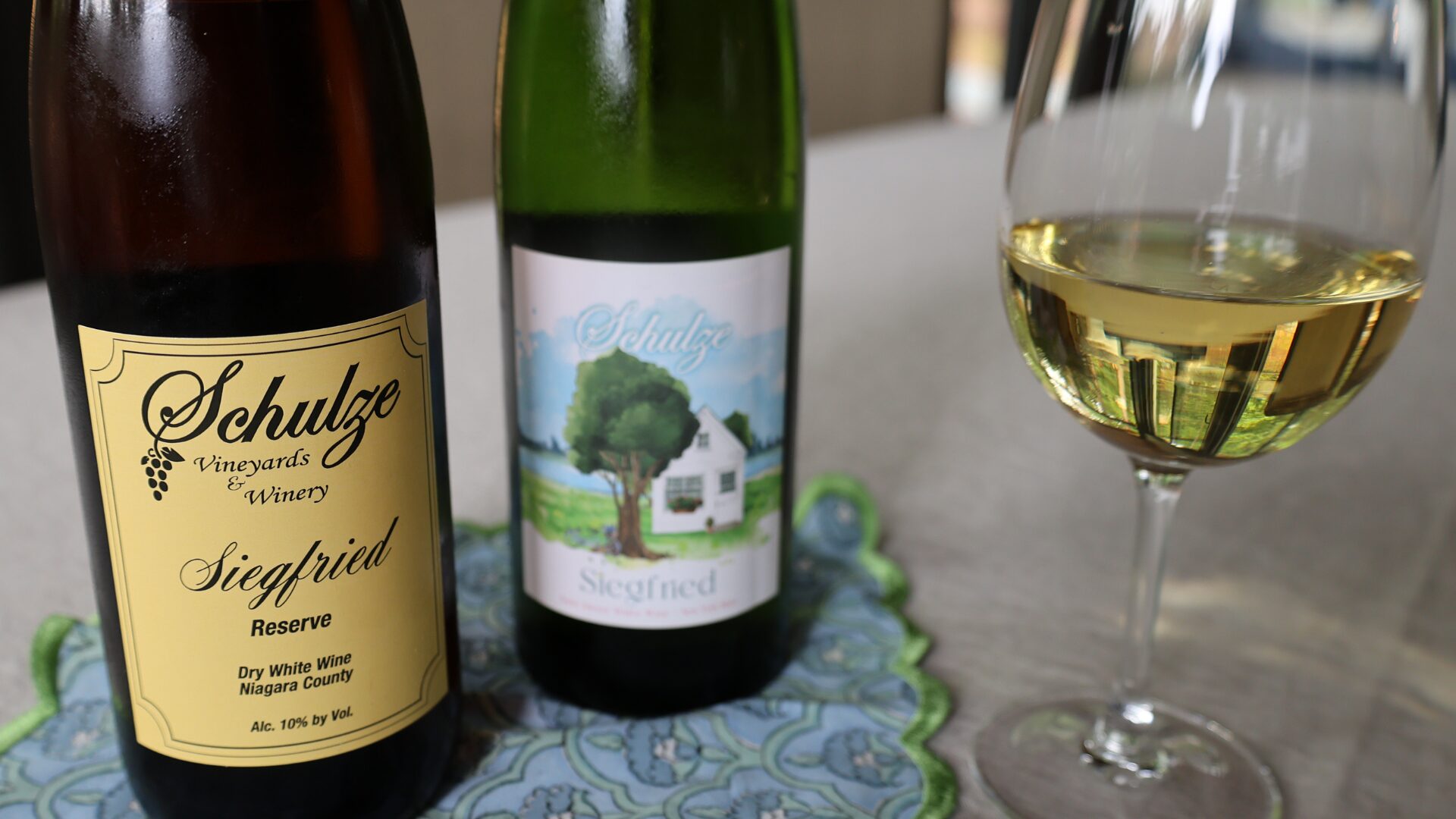
The clearest lesson in this I have had came from two bottles in one cool-climate cellar. One was a dry white at about ten percent. The other, a semi-sweet at about twelve. Read just those two numbers and you can almost reconstruct the choices behind them. The dry wine fermented all the way out; with little sugar to begin with, it finished low in alcohol and completely dry, all nerve and acid. The semi-sweet was stopped while some sugar still remained, which left it a touch higher in alcohol and rounder, gentler, more forgiving. Same grapes, same season, same hands. Two decisions, two wines.
Notice what holds both of them together: acidity. In a cool place the acid runs high no matter what the winemaker decides. In the dry wine it is the whole engine, standing in for the ripeness and weight a warmer climate would have lent. In the semi-sweet wine it is the counterweight, the thing that keeps the sugar from going flat or cloying. Cool-climate wines live or die on that acid, which is why a region like this can make precise wine at every level of sweetness.
So here is the practice, and it starts before you taste. Glance at the alcohol. It is not a rule, it is a clue. A low number, around ten or eleven, often points to a cool climate, and if the wine is dry, to something lean and racing. A higher number can mean a riper, warmer place, or a wine carrying some sweetness and weight. Hold the figure in mind, then taste and see whether the wine tells the story you expected. Half the time the label has already told you where the wine is from and what the winemaker chose, before your first sip.
This week’s Finger Lakes Riesling is the cool, low-alcohol, bone-dry end of that whole story. On Tuesday we set it beside warmer Washington and watch the same grape change its mind.
|
Pour two wines with different alcohol levels side by side. Notice the warmth and weight the higher-alcohol one carries, the leaner cut of the lower one, and, in both, the line of acid running underneath. Weight, sweetness, acid: three dials, and the label gives you the first reading for free. |
 SENSORY PAUSE
READ NEXT IN THIS WEEK’S WINE PATH
|
Continue Exploring
If this resonated, you might also enjoy:
Riesling and Determing Sweetness: How to Read an Alsatian Label
Last Updated: Jul 20, 2026
Post Created: Jul 20, 2026

0 Comments