
Seared duck breast looks like a restaurant dish, but it is one of the simplest elegant meals you can make at home. The secret is patience at the start: the breast goes skin-side down into a cold pan, and as the pan slowly heats, the thick layer of fat beneath the skin melts away. What is left is thin, amber, crackling skin over tender, rosy meat.
Duck and cherries are a classic pairing in French cooking, and for good reason. The fruit’s sweetness and tartness cut through the richness of the meat. Here, the sauce is made in the same pan: a little shallot, a splash of ruby port to deglaze, chicken stock, dark cherries, and a sprig of thyme, reduced until glossy and finished with a knob of cold butter and a touch of vinegar for balance.
Salting the duck ahead of time, ideally overnight, uncovered in the refrigerator, seasons the meat and dries the skin, which helps it crisp. Scoring the skin in a crosshatch pattern lets the fat escape as it renders. Save that fat: it is one of the best fats in the kitchen for roasting potatoes.
This makes a beautiful holiday main for a small table, or an elegant dinner for two with leftovers. Serve with roasted root vegetables, a potato gratin, or sauteed greens.
Pour a slightly chilled Pinot Noir. Its bright acidity and cherry fruit are made for this plate.

Seared Duck Breast with Cherry Port Pan Sauce

Ingredients
For the Duck
- 4 duck breasts about 7 to 8 oz each, skin on
- 1 1/2 teaspoons kosher salt
- 1/2 teaspoon freshly ground black pepper
For the Cherry Port Pan Sauce
- 1 shallot finely minced
- 1/2 cup ruby port
- 1/2 cup chicken stock
- 1 1/2 cups dark sweet cherries pitted (fresh or frozen)
- 1 sprig fresh thyme
- 1 teaspoon red wine vinegar or balsamic vinegar
- 1 tablespoon cold unsalted butter
- Kosher salt and pepper to taste
Instructions
- Prepare the duck. Pat the breasts dry. With a sharp knife, score the skin in a crosshatch pattern about 1/4 inch apart, cutting through the fat but not into the meat. Season all over with salt and pepper. Refrigerate uncovered at least 30 minutes, or overnight.

- Start cold. Place the breasts skin-side down in a large, cold, dry skillet. Set over medium-low heat.

- Render the fat. Cook without moving for 10 to 14 minutes, until most of the fat has rendered and the skin is deep golden and crisp. Carefully pour off the fat into a heatproof jar partway through, and save it.

- Finish the meat. Flip the breasts and cook 2 to 4 minutes, until an instant-read thermometer reads 130 to 135°F for medium-rare. Transfer skin-side up to a board and rest 8 to 10 minutes.

- Build the sauce. Pour off all but 1 tablespoon of fat. Over medium heat, cook the shallot 1 minute. Add the port and simmer, scraping up the browned bits, until reduced by half.

- Reduce. Add the stock, cherries, and thyme. Simmer 5 to 7 minutes, until the sauce is glossy and slightly thickened. Remove the thyme. Stir in the vinegar, then, off the heat, swirl in the cold butter. Season to taste.

- Serve. Slice the duck on the bias, fan it on warm plates skin-side up, and spoon the sauce alongside.

Notes
Notes
- Cold pan, always. Starting in a hot pan tightens the skin before the fat renders, leaving it chewy and fatty.
- Doneness. Duck breast is best medium-rare to medium. It carries on cooking as it rests.
- Duck types. Pekin breasts are smaller and milder; Moulard breasts are larger and richer. For Moulard, extend the rendering time and plan one breast for two people.
- Frozen cherries. They work beautifully and are available year-round. Add them straight from frozen.
- Balance the sauce. If it tastes too sweet, add a little more vinegar. It should be fruity and glossy, not sugary.
- Save the fat. Strain and refrigerate the rendered fat for roasting potatoes and vegetables.
Wine Pairing Guide
|
Best Match |
Yarra Valley Pinot Noir, slightly chilled (55 to 60°F). Bright acidity cuts the duck fat, cherry fruit echoes the sauce, and silky tannins suit the tender meat. |
|
Old World Match |
Red Burgundy: earthier and more savoury, a classic with duck. |
|
New World Options |
Oregon or New Zealand Pinot Noir: bright red fruit with a savoury edge. |
|
Lighter Red |
Cru Beaujolais (Gamay): juicy and fresh. |
|
Richer Red |
Cool-climate Grenache or a lighter Syrah: red fruit and spice. |
|
Avoid |
Big, tannic, heavily oaked reds, which feel harsh against tender duck, and wines sweeter or much lower in fruit than the sauce. |
Why These Pairings Work
Seared duck breast with cherry port sauce brings three things to the table: rich, fatty meat and skin; a sweet-tart fruit sauce; and tender, rosy texture. The best wines meet all three.
Acid meets fat. Pinot Noir’s bright acidity cuts through duck fat and refreshes the palate.
Fruit meets fruit. Red cherry notes in the wine echo the cherries in the sauce. Because the sauce has some sweetness, the wine needs ripe fruit to keep pace.
Silk meets tenderness. Soft, fine tannins suit rosy duck; big tannins would feel rough and dry.
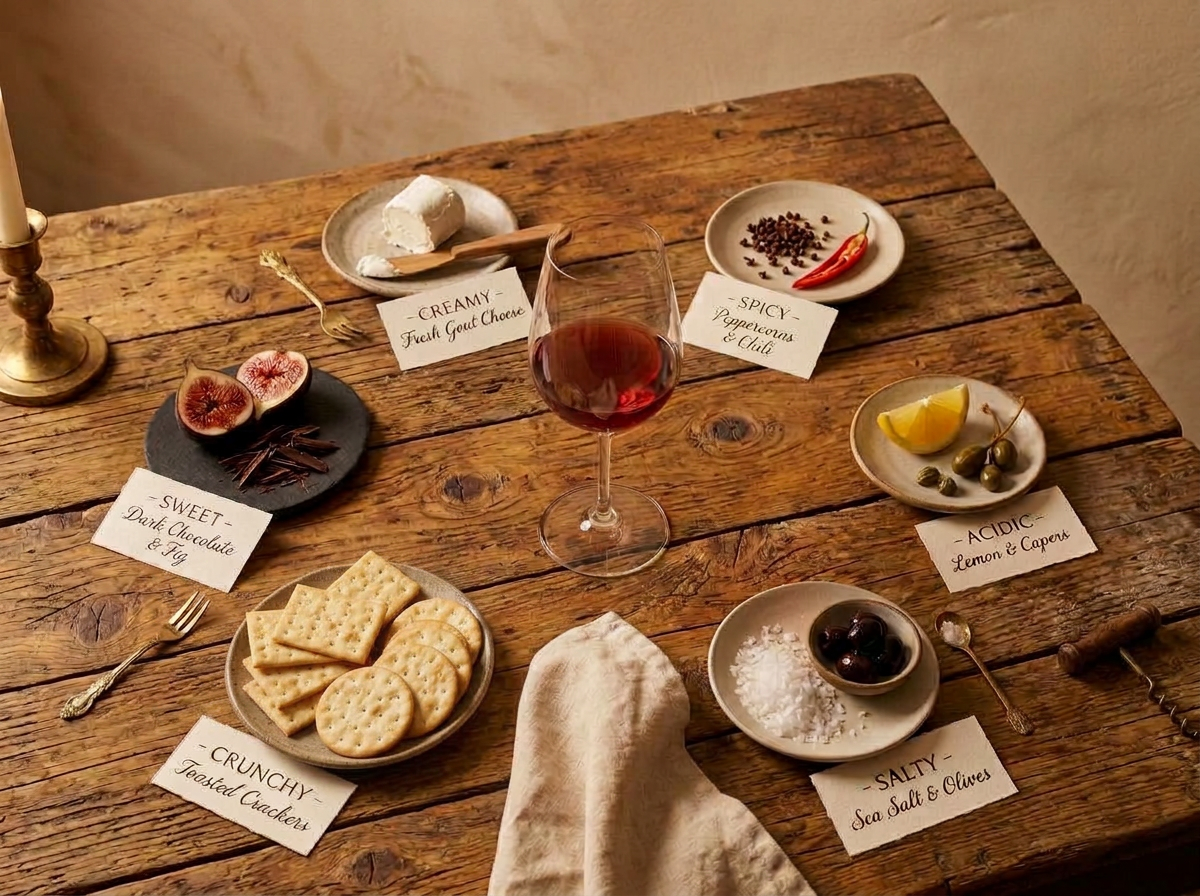
Flavor Foundations
|
Fat |
Duck skin and rendered fat. Calls for bright acidity. |
|
Sweet |
Cherries and port in the sauce. Needs a wine with ripe fruit. |
|
Acid |
Vinegar and cherry tartness. Balances the sauce and meets the wine. |
|
Savoury |
Browned duck, shallot, thyme, stock. Suits earthy, herbal notes in Pinot Noir. |
|
Texture |
Crisp skin, tender meat, glossy sauce. A silky wine keeps pace. |
Last Updated: Nov 25, 2026
Post Created: Nov 25, 2026


0 Comments