
Smell a glass of Riesling and your brain will tell you it is sweet. Honeysuckle, ripe peach, a wash of citrus blossom, sometimes, in an older bottle, a struck-match or kerosene note that somehow still reads as rich. The nose makes a promise. Then you sip. The wine does carry a touch of sweetness, a few grams of sugar, but it tastes far drier than your nose swore it would, because a wall of bright acidity meets that sugar and balances it out. What lands is clean and lively, not sweet.
That gap, between how sweet a wine smells, how much sugar it actually holds, and how sweet it finally tastes, is the most useful thing you can learn to notice in a glass. It is worth slowing down for.
Smell and taste are different instruments playing the same wine. Aroma is suggestion. It arrives first, it is loud, and it leans on memory: we have smelled ripe fruit and flowers our whole lives, and the brain files those smells under sweet before the tongue has a vote. Taste is slower and more literal. And there is a third player: acidity. A wine can hold real sugar and still taste crisp, because high acid offsets sweetness the way a squeeze of lemon balances a spoonful of honey. Riesling is where all three, aroma, sugar and acid, pull against each other most.
Here is the practice, and it is small. Pour the wine. Smell it, and before you sip, decide: how sweet will this be. Then sip and check. With a Riesling like this you will usually guess too sweet, because the nose oversells and the acid undercuts. The moment you feel the distance between what you expected and what arrived, you have learned something no tasting note could hand you.
This is not about getting it right. There is no score. It is about noticing that your nose, the sugar and your tongue are not the same witness, and that wine is more interesting when you let them disagree. Do it a few times and it stops being a parlour trick and becomes a habit. You start tasting the balance of a wine, not just its smell.
We are spending the next few weeks with Riesling on purpose, moving along the spectrum from this dry-to-off-dry hinge through frankly off-dry and on to sweet. The whole journey turns on this one practice: knowing where the sweetness actually lives, in the smell, in the sugar, or in the final taste once the acid has had its say. Start here, at the dry end, where the balance is finest and the lesson is clearest.
 SENSORY PAUSE SENSORY PAUSE
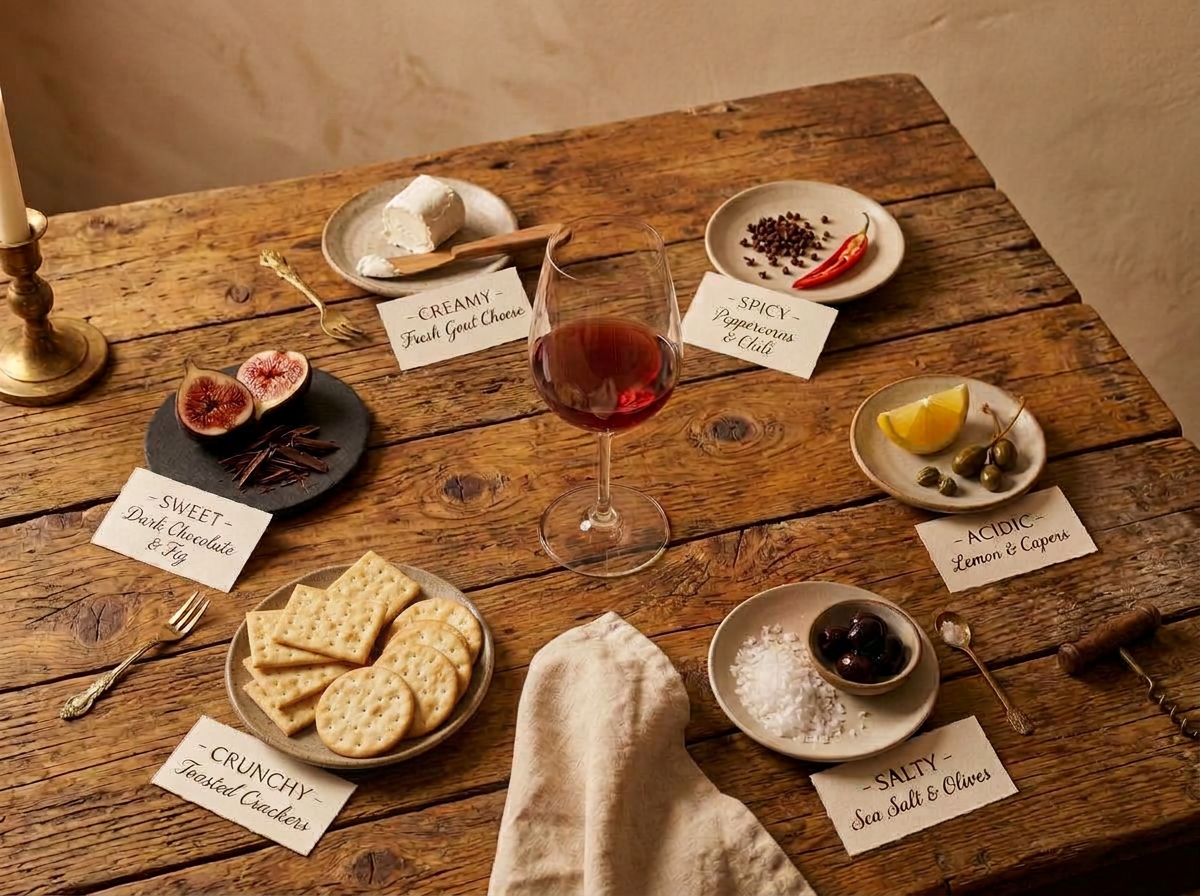
Smell, then guess how sweet it will be. Then sip. Notice that a hint of sweetness is there, and that the acid still makes it taste crisp. The gap between the smell and the finish is the wine’s balance announcing itself, before you know a single term for it. |
| READ NEXT IN THIS WEEK’S WINE PATH |
Continue Exploring
If this resonated, you might also enjoy:
Washington Tastes Like a Desert (Because It Is One)
Salt, Sweet, and a Cold Glass of Riesling
Last Updated: Jul 6, 2026
Post Created: Jul 6, 2026

0 Comments