

Picture Washington wine and you probably picture rain. Evergreen trees, grey light, a coast that drips for most of the year. Now drive east, over the Cascades, and watch the rain stop. Within an hour the trees thin, the land opens, and the sky turns the kind of high, dry blue you would expect over Spain. This is where the wine grows. Not on the wet coast. In a desert.
The mountains do it. The Cascades catch the Pacific weather and wring it out on their western slopes, and what crosses to the east is warm, dry air and very little rain. Growers call it a rain shadow. The Columbia Valley sits inside it, a wide basin of basalt and wind and silt, cut through by the river that gave the place its name and, long before that, by floods most people have never heard of.
At the end of the last ice age, a wall of ice held back a lake the size of an inland sea. When it gave way, the water came through in days, not centuries, scouring the land and laying down the soils the vines sit in now. You taste the consequence more than the event: free-draining ground that makes a vine work for its living, hold its acid, and concentrate what it has.
Look at a globe and Washington wine country lines up near the 46th parallel, the same band that runs through Burgundy and the northern Rhône. That far north, summer days stretch long, more hours of light than California ever sees. But a desert gives its heat back at night, and the temperature falls hard after dark. Hot day, cold night, again and again through the season. That swing is the secret. The warmth ripens the fruit; the cold keeps the acid bright. For a grape like Riesling, it is close to ideal.

Within the valley, the cooler, windswept corners are where the aromatic whites belong. The Ancient Lakes area, up toward the river’s bend, is Riesling country, the wines ranging from bone-dry to gently off-dry: stony, exposed, quiet. The Yakima Valley and Walla Walla carry more of the reds the state is known for, but the white-wine story lives in those cool, high pockets where the nights bite hardest.
If you are looking for where to start, think in three steps rather than three labels.
- Affordable: a broad Columbia Valley Riesling, often with a whisper of sweetness held in check by acid. Bright, easy, a good first handshake.
- Better: a single-area Riesling from Ancient Lakes or the cooler Yakima sites, dry to just off-dry. Taut, stony, more about line than fruit.
- Luxury: a single-vineyard Riesling from a cool, high site, dry to off-dry and built to age, the kind that trades its youthful floral note for something flinty and savoury over years.
Place comes before packaging here, the way it always does. Before the grape, before the producer, there is a desert behind a mountain range, long light, and cold nights. Taste that, and the bottle starts to make sense.
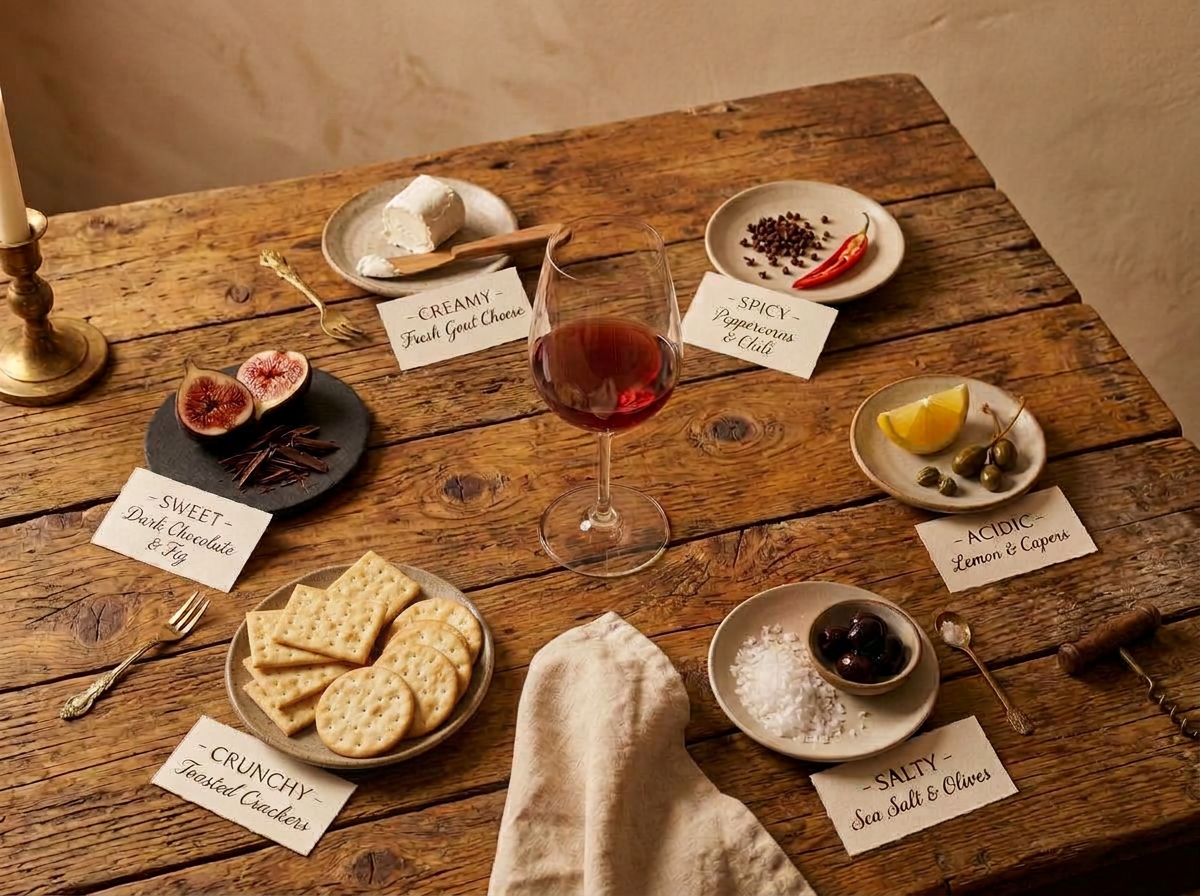
 SENSORY PAUSEPour a Washington Riesling cold. Before you chase the fruit, notice whether a hint of sweetness brushes the tip of your tongue, then feel the line of acid run straight down the centre and clean it away. That balance, a little sweet, kept taut by acid, is the desert day and night in the glass. SENSORY PAUSEPour a Washington Riesling cold. Before you chase the fruit, notice whether a hint of sweetness brushes the tip of your tongue, then feel the line of acid run straight down the centre and clean it away. That balance, a little sweet, kept taut by acid, is the desert day and night in the glass. |
READ NEXT IN THIS WEEK’S WINE PATH
|
Continue Exploring
If this resonated, you might also enjoy:
Last Updated: Jul 5, 2026
Post Created: Jul 5, 2026

0 Comments