
Every fortified wine this curriculum has taught so far has been fortified after the fact, spirit added to a wine that had already finished becoming wine. Port does something different, and that difference is the whole reason it tastes the way it does.
Partway through fermentation, while the grape’s natural sugar is still converting to alcohol, Port producers add a neutral grape spirit. The alcohol level jumps high enough to kill the yeast outright, and fermentation simply stops, mid-sentence. Whatever sugar had not yet converted stays in the wine, permanently. It is a fifth route to sweetness in this year’s curriculum, after late harvest, freeze, appassimento, and the solera’s patient blending, and it may be the most direct of the five: nothing concentrated, nothing dried, nothing blended across years. Just a decision, made at exactly the right moment, to stop.
A Valley Built for This
The Douro Valley, several hours inland from Porto itself, is where the grapes grow: steep, terraced hillsides along the Douro river, schist soil that forces vine roots deep in search of water. It is some of the most dramatic vineyard land in Europe, and also some of the least forgiving to farm, which is part of why the wine that comes off it needed a technique this deliberate to be worth the effort.
The finished wine travels downriver to age in Vila Nova de Gaia, across the river from Porto proper, in lodges built specifically for the long, patient work that comes next.
 SENSORY PAUSE
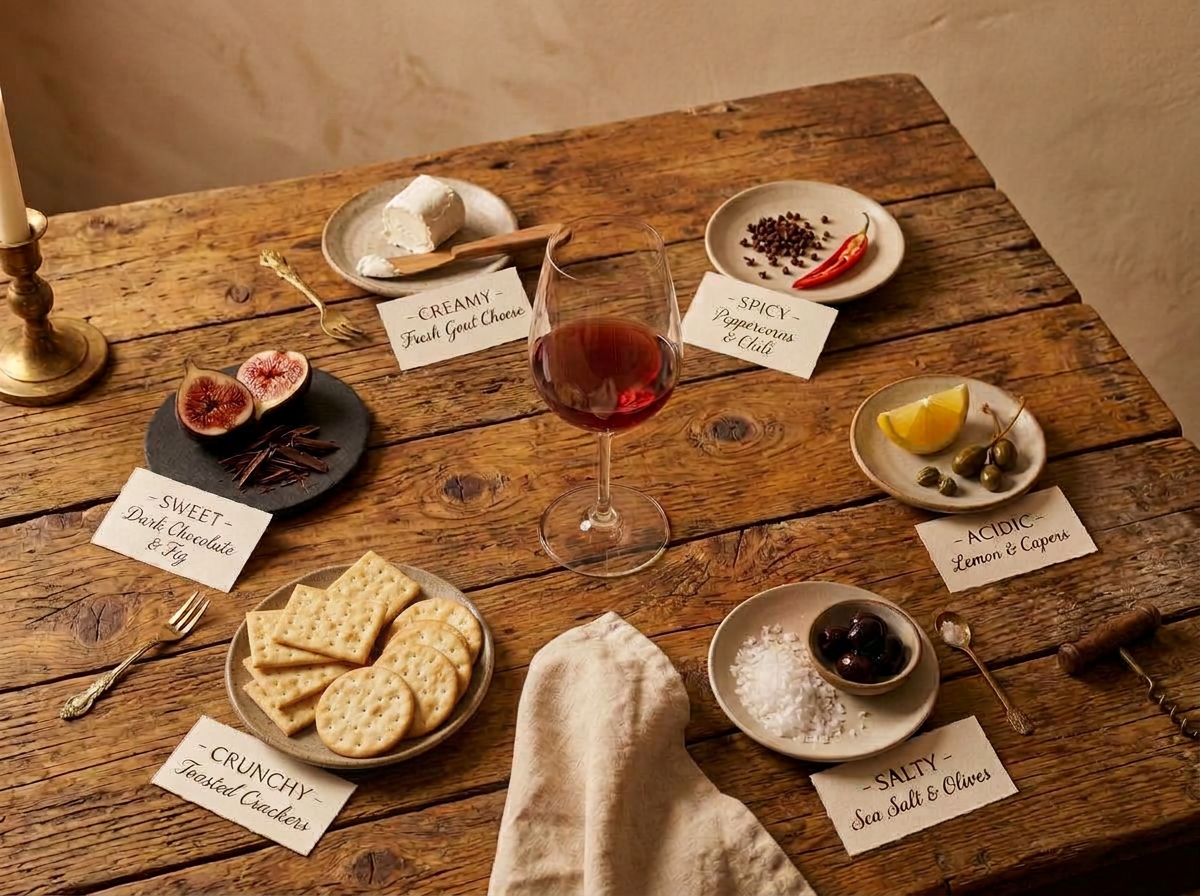
When you have a bottle of Port open, notice the weight of it in the glass before you taste.
Fortified wines sit heavier than table wine, a first clue that something about the winemaking process was different.
That weight is the alcohol from fortification, layered over sugar that never finished becoming something else.
One Base, Two Destinations
What happens after fortification is where Port splits into an entire family of styles, and the two most common, Ruby and Tawny, make opposite decisions about the same question: how much air should this wine see before it reaches you. Ruby is bottled young and kept from oxygen, staying bright and fruity. Tawny ages for years in barrel, exposed deliberately to slow oxidation, until fruit gives way to caramel and dried fruit.

It is a choice that will sound familiar if you were tasting along last week: Fino’s protection under flor against Oloroso’s deliberate oxidation is the same underlying decision, made in a different fortified wine, on a different coastline.
Read next:Tuesday goes deeper on Ruby versus Tawny, and the week closes with two pairings: Dark Chocolate & Raspberry Tart with Ruby on Thursday, and Aged Gouda & Fig with Tawny on Saturday. |
Continue Exploring
Last Updated: Sep 6, 2026
Post Created: Sep 6, 2026

0 Comments