

Most red wine is made from grapes picked at peak ripeness and pressed within days. Amarone and Ripasso begin the same way, then stop and wait.
After harvest, the best clusters of Corvina, Rondinella, and Corvinone are laid out on bamboo racks or mesh trays, usually in a cool, well-ventilated loft, and left to dry for three to four months. This is appassimento, from appassire, to wither. The grapes lose as much as a third of their water weight. What remains is smaller, wrinkled, and dramatically more concentrated: sugar, acid, tannin, and flavor compound all packed into a fraction of the original volume.
Corvina is suited to this in a way many red grapes are not. It has thick skins that resist rot during the long drying period, and enough natural acidity that even after months of concentration, the resulting wine stays balanced rather than heavy. That combination, thick skin plus high acid, is why this method took root in Veneto specifically and never spread as widely elsewhere.
|
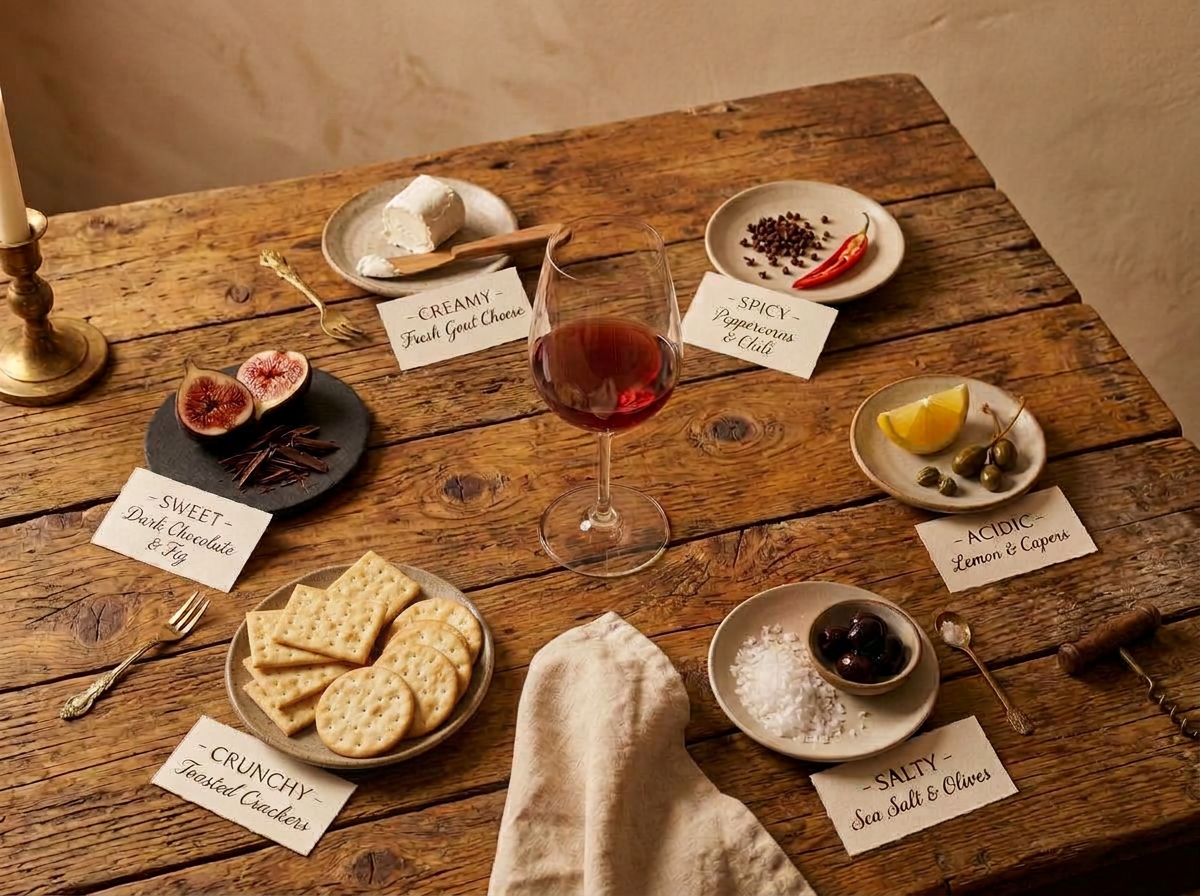
Dried-grape wines carry a specific note worth learning to recognize: a hint of raisin or fig sitting alongside the fresh cherry fruit, plus a faint bitterness on the finish, almost like almond skin. That bitter edge is a Valpolicella-family signature, not a flaw. |
 SENSORY PAUSE
Ripasso gets there differently than Amarone, which is the detail worth holding onto. Amarone is made entirely from dried grapes. Ripasso is young, undried Valpolicella that gets a second pass over the skins Amarone leaves behind, absorbing residual sugar, tannin, and dried-fruit character during a brief second fermentation. Same drying technique, applied once removed. That is the entire difference between a twelve-dollar Tuesday wine and Ripasso’s richer, more structured glass.
The appassimento method is not unique to Veneto in spirit, even if the name is. Late-harvest wines concentrate sugar by leaving grapes on the vine. Icewine concentrates by freezing water out of the grape. Appassimento concentrates by drying the grape after picking. Three different tools, aimed at the same target: less water, more of everything else.
|
READ NEXT IN THIS WEEK'S WINE PATH → Veneto: One Grape, Three Escalating Stories (Sunday) |
Continue Exploring
Last Updated: Aug 4, 2026
Post Created: Aug 4, 2026

0 Comments