
A short rib braise takes three hours and almost no attention. That trade, patience for reward, is exactly the shape of the wine sitting next to it this week.
Ripasso brings dried-cherry concentration and a gentle warmth built for richness. Short ribs, cooked low and slow until the collagen melts into the braising liquid, bring exactly that kind of richness: deep, caramelized, almost sticky at the edges of the pot. The wine’s moderate tannin and structure hold their own against the meat’s fat, while its bright acidity, still present even after the appassimento concentration, cuts through and keeps every bite from feeling heavy.
There is a small trick worth using: braise the ribs in a splash of the same Ripasso you are pouring. The wine reduces into the sauce, and the glass on the table becomes a direct echo of what is already on the plate. Glass and plate, saying the same thing twice.

Red Wine-Braised Short Ribs Recipe: Fall-Off-the-Bone and Make-Ahead

Ingredients
- 4 lb bone-in beef short ribs
- Salt and pepper
- 2 tbsp oil
- 1 onion 2 carrots, 2 celery stalks, diced
- 4 cloves garlic smashed
- 2 tbsp tomato paste
- 2 cups Valpolicella or Ripasso
- 2 cups beef stock
- 2 bay leaves thyme, and rosemary
Instructions
- Heat oven to 325°F. Season the ribs and sear in oil until browned on all sides; remove.
- Soften the onion, carrot, and celery in the pot; add garlic and tomato paste and cook 2 minutes.
- Deglaze with the wine and reduce by half.
- Return the ribs; add stock and herbs to come halfway up the meat.
- Cover and braise 2½–3 hours until fork-tender
- Skim the fat and reduce the sauce if needed. Serve over polenta or mashed potatoes.
Notes
Wine Note:
Braising in the same wine builds a direct bridge to the glass; the ribs' fat softens Ripasso's tannin while the wine's acidity keeps the rich, caramelized braise from feeling heavy.
|
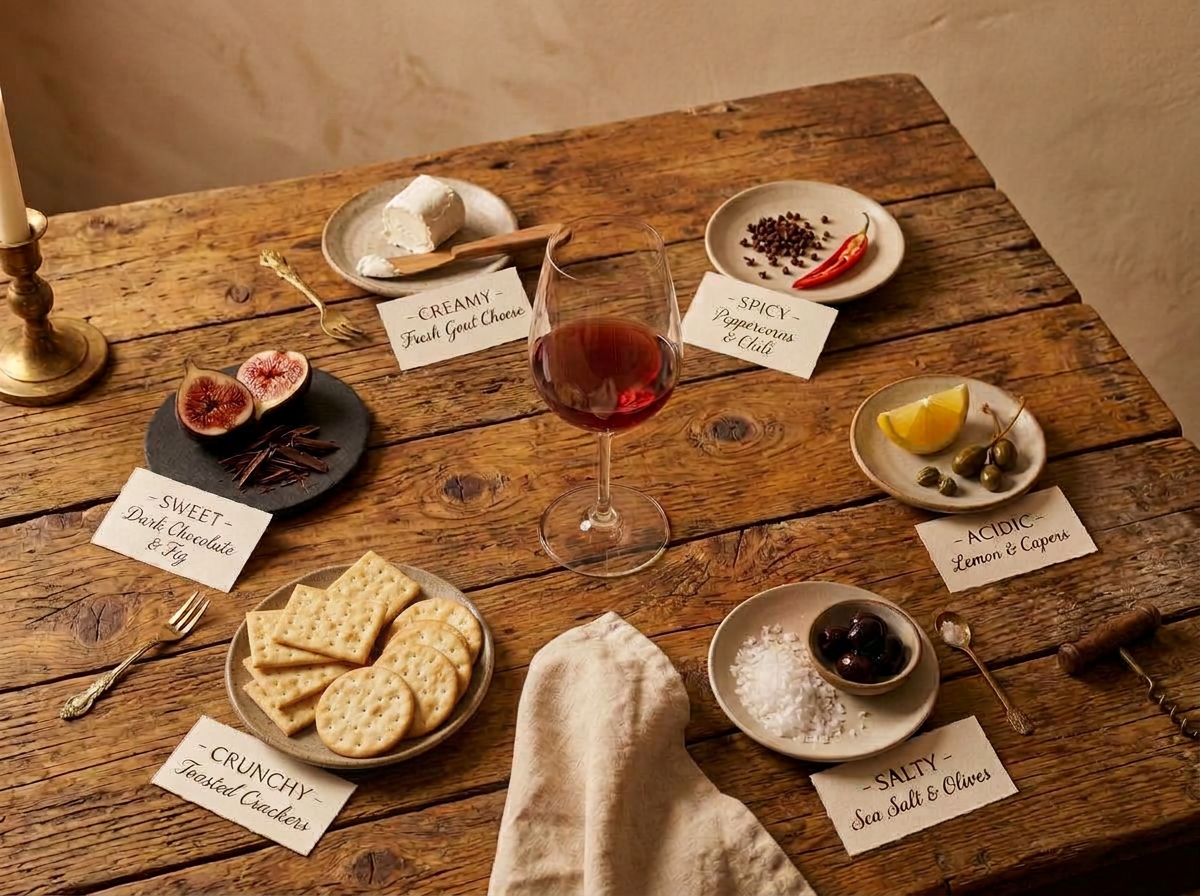
Take a sip before the first bite, then again after. Notice how the wine tastes slightly brighter next to the richness of the braise than it did alone. That shift, wine reading differently beside food than it does by itself, is the entire reason pairing is worth practicing rather than memorizing. |
 SENSORY PAUSE
This is also a forgiving pairing to build a dinner around. The dish is almost entirely make-ahead, better the next day if anything, which means the wine gets the full attention rather than competing with last-minute kitchen stress.
Where this fits in the season: Veneto opens three weeks of Italian reds, and next week moves north to Piedmont for Barolo, a wine built on tannin rather than acid, needing fat rather than sugar to unfold. Ripasso and Barolo make a useful comparison once both have been tasted: two very different paths to a big, structured Italian red.
This is the kind of shift that is easier to understand once you have tasted it than when you have only read about it. That is exactly what we work through together at the Table.
Continue Exploring
Last Updated: Aug 6, 2026
Post Created: Aug 6, 2026

0 Comments