

For a while, Australian Chardonnay had a reputation. In the 1980s and 1990s, it was big, golden, and heavily oaked, with ripe tropical fruit and a thick layer of butter and vanilla. The world loved it, and then, quite suddenly, the world grew tired of it.
What happened next is one of the most interesting stories in modern wine, and Margaret River sits right at the center of it.
What Actually Matters Here
Chardonnay is a mirror. It reflects its place and its winemaker more clearly than almost any other grape. Margaret River Chardonnay is what happens when a moderate climate meets winemakers who have discovered, over decades, when to step in and when to step back. The result is generous but restrained, rich but fresh.
The Pendulum
After the era of big, oaky Chardonnay, many Australian winemakers swung hard the other way. They picked earlier, used less oak, and blocked the buttery second fermentation. Some wines became lean and sharp, almost austere. It was a correction, and like most corrections, it went a little too far.
Over the past two decades, the pendulum has settled. The best Margaret River Chardonnays now have ripe stone fruit and citrus, measured oak, fine acidity, and a savoury, textural depth. They are neither heavy nor thin. They are balanced.
We explored this same tension with California Chardonnay, restraint versus intervention. Margaret River shows what it looks like when the answer is a thoughtful yes to both.
What It Tastes Like
Margaret River Chardonnay usually leads with white peach, nectarine, and grapefruit, sometimes lemon and fig. Around the fruit you may find cashew, hazelnut, and toast from oak and lees, and often a faint struck-match or flinty note. The acidity is bright and fine, and the finish is long and often a little saline.
On the palate, it tends to be medium to full in body, with a creamy but not heavy texture.
 SENSORY PAUSE Take a sip and hold it for a moment before swallowing. Notice the texture first, then the flavor. Is it creamy, silky, or crisp? Then notice the finish. Does it fade, or does it linger with a hint of salt? |
The Hens and Chicks
Much of Margaret River’s Chardonnay comes from a particular vine selection, known locally as the Gingin clone. Its bunches carry berries of very different sizes, some full-sized, some tiny, a pattern growers call hens and chicks. The small berries have a high ratio of skin to juice, which concentrates flavor and gives the wine extra intensity and texture.
It is a small detail with a large effect, and a good reminder that wine is shaped in the vineyard long before it reaches the cellar.
Old World and New World
Chardonnay’s Old World home is Burgundy, where it makes everything from the steely, oyster-shell Chablis we paired with crab legs to rich, nutty wines from the Côte de Beaune. White Burgundy tends to be more restrained, with more earth and mineral and less fruit.
Margaret River Chardonnay has more sunshine in its fruit: riper peach, brighter citrus. But it shares Burgundy’s interest in texture, acidity, and restraint. It is New World in its generosity and Old World in its manners.
A pattern I keep seeing is that people talk about Chardonnay as one flavor. Taste a Chablis, a California Chardonnay, and a Margaret River Chardonnay side by side, and you will find three distinct personalities from one grape.
A Grape With a Long Family Tree
Chardonnay was born in Burgundy, the child of Pinot Noir’s family and an old, humble grape called Gouais Blanc. Today it grows almost everywhere wine is made, from England to Chile. Few grapes adapt so willingly, and few reveal so honestly where they have been planted.
How It Is Made
Most fine Margaret River Chardonnay is fermented in oak barrels rather than steel tanks. Barrel fermentation integrates the oak more gently than aging alone, adding texture as much as flavor. Many winemakers also leave the wine on its lees for several months, sometimes stirring them, which builds a creamy, savoury depth.
Whether to allow the buttery second fermentation is a key decision. Many Margaret River winemakers allow only part of it, or none, to keep the wine’s fresh acidity and let the fruit and texture lead. The goal is richness without heaviness.
How It Ages
Good Margaret River Chardonnay ages well. Over five to ten years, the fruit softens toward baked apple and dried fig, the nutty notes deepen, and the texture becomes silkier. Its fine acidity keeps it fresh along the way. Most bottles are delicious young, but a few years of patience can reward you.
Where to Start
- Everyday ($): A regional Margaret River Chardonnay with light oak. White peach, citrus, a touch of cashew. Fresh and easy.
- Better ($$): A Chardonnay from the cooler south around Karridale. Tighter citrus, finer acidity, a hint of flint.
- Luxury ($$$): A top single-vineyard Chardonnay from the northern gravels. Layered, textural, long, and able to age for a decade or more.
Serving It
Serve Margaret River Chardonnay lightly chilled, around 50 to 55 degrees Fahrenheit. Too cold and its texture and nutty notes disappear. Pour it into a glass with a generous bowl so the aromas can gather. Fuller examples open beautifully over half an hour.
At the Table
Margaret River Chardonnay loves seafood with a little richness: pan-seared fish, scallops, lobster, crab, roast chicken, or dishes finished with butter. Thursday, we pair it with crab cakes and lemon brown butter.
This Week’s Challenge
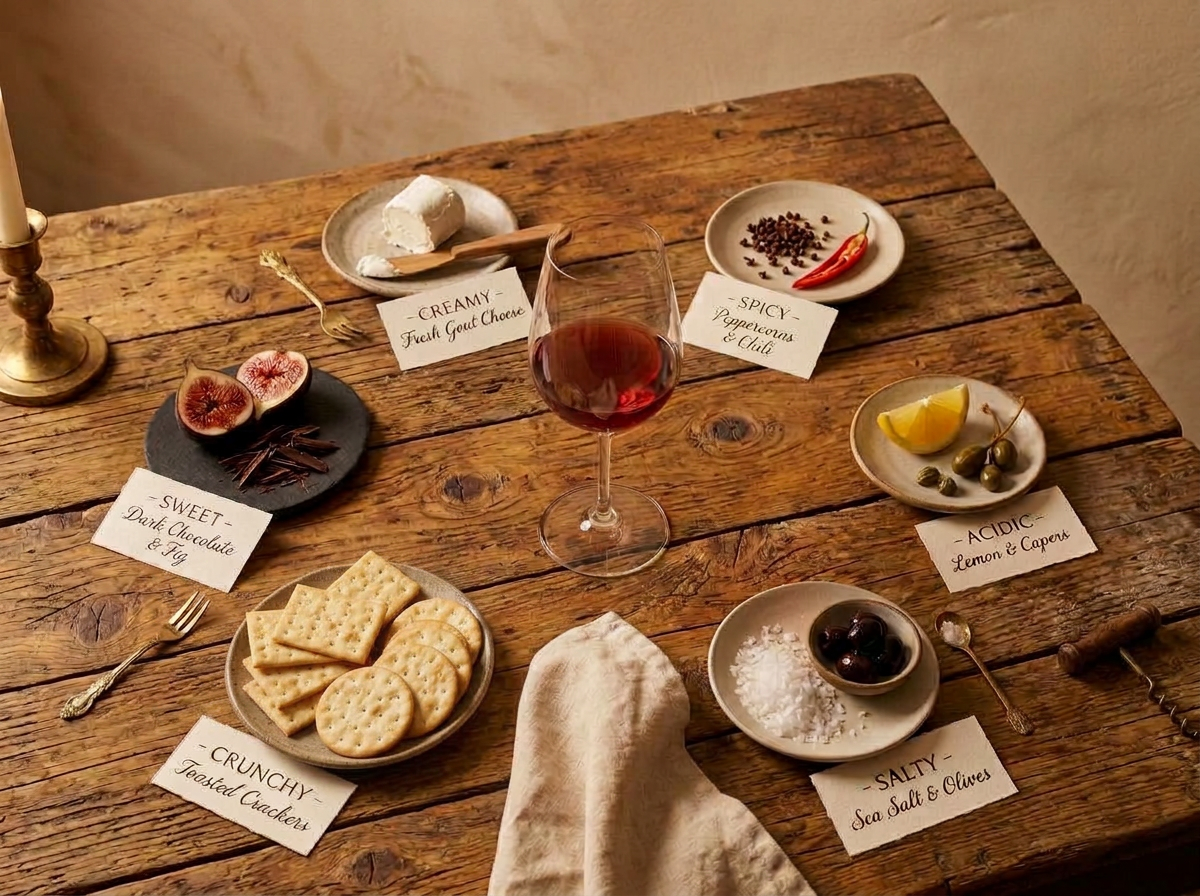
If you can, taste a Margaret River Chardonnay beside a white Burgundy or a Chablis. Use Monday’s four sources on each. Notice which note is loudest in each, and which wine tastes more of fruit, and which more of place.
| READ NEXT IN THIS WEEK’S WINE PATH
|
Continue Exploring
If this resonated, you might also enjoy:
Chardonnay: The Foundation Grape, and Why Chablis Is Only the Beginning. Chablis is the starting point most people never leave. This piece shows why it matters as a reference point, and what changes once the grape moves somewhere warmer.
Chardonnay’s Full Range: From Chablis to Côte de Beaune. One grape, many expressions. Follow it across a single region to hear how much a site and a winemaker can change in the glass.
Chardonnay: The Three Decisions That Explain Everything. Oak, malolactic fermentation, and lees are the choices behind most of what you taste. Learn to read them once, and every Chardonnay becomes easier to read.
Muscadet: The Misunderstood White Wine Worth Discovering. A wine that rests on its lees and still feels light. It shows that texture doesn’t always need oak or butter to arrive.
Sauvignon Blanc: The Grape That Travels. A grape that moves easily between climates and styles. It’s a useful counterpoint for anyone wondering how place shapes a white wine.
Last Updated: Nov 3, 2026
Post Created: Nov 3, 2026

0 Comments