

The name Nebbiolo most likely comes from nebbia, the Italian word for fog, and the connection is not decorative. Piedmont’s Langhe hills sit under a thick autumn fog through much of the grape’s late-season ripening, and Nebbiolo is one of the last red grapes in Italy to be harvested, sometimes not until mid-October.
That long, slow ripening is central to everything the grape becomes. Nebbiolo needs the extended hang time to develop its notoriously high tannin and acid without also building up excessive sugar, which is why Barolo, even at its richest, rarely tastes jammy or overripe the way a hot-climate red can.
The grape itself is thin-skinned, which usually signals a lighter wine. Nebbiolo breaks that pattern. Its skins, while thin, are unusually rich in tannic and aromatic compounds, so the resulting wine ends up pale in color but dense in structure and perfume, a mismatch that confuses almost everyone tasting it for the first time.
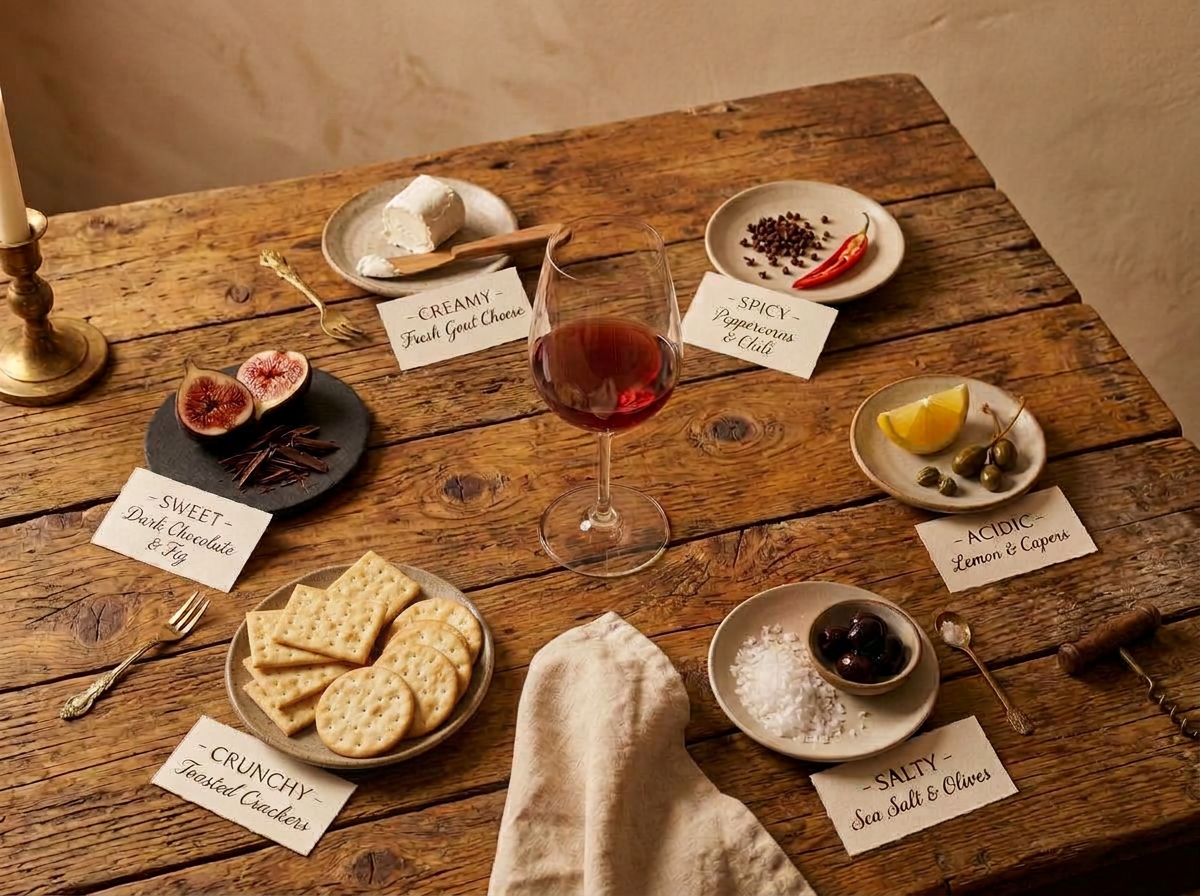
 SENSORY PAUSE SENSORY PAUSE
The aromatic profile is part of what makes Nebbiolo unmistakable once you have learned it: dried rose petal and cherry up front, tar, truffle, and leather underneath. Few red grapes anywhere pair a floral top note with something this savory and dark. |
Barolo and Barbaresco are the two most famous expressions, both DOCG zones inside Piedmont, both built entirely on Nebbiolo, and both requiring significant aging before release, Barolo especially, which by law cannot be sold until at least three years after harvest, and typically improves for a decade or more beyond that. Barbaresco, grown on slightly warmer sites nearby, tends to soften and become approachable somewhat sooner.
Nebbiolo has never traveled especially well outside Piedmont. A handful of producers in places like the Sierra Foothills and Australia have planted it with mixed success, but the grape remains stubbornly attached to its native fog and limestone. That immobility is itself part of the lesson: some grapes are a technique that travels, and some are a place that cannot be replicated.
|
READ NEXT IN THIS WEEK'S WINE PATH → Piedmont: The Wine That Looks Light and Isn’t ( Sunday) |
Continue Exploring
If this resonated, you might also enjoy:
Corvina and the Slow Art of Drying Grapes
One Grape, Three Climates: How Place Rewrites Pinot Noir
Zinfandel: America’s Heritage Grape (and Its Croatian Secret)
Last Updated: Aug 11, 2026
Post Created: Aug 11, 2026

0 Comments