

Pedro Ximénez grapes are marketed dry. The grape is not inherently sweet. The wine becomes sweet through deliberate human decisions made in the cellar.
That makes Pedro Ximénez sherry the outlier of the Sherry family.
The other four styles—Fino, Manzanilla, Amontillado, Oloroso—all follow the same basic logic. A winemaker makes a wine. Then one question: did flor work or not? The yeast veil either protected the wine from oxidation (Fino, Manzanilla, Amontillado paths) or was never applied, letting oxidation happen from day one (Oloroso). From there, the wine ages in the solera system. That is mostly it.
Simple. Binary. Two decisions, and the rest is time.
Pedro Ximénez does not follow that path. Pedro Ximénez breaks the rule entirely.
| The Pedro Ximénez grape sits in the Jerez region alongside Palomino and Moscatel. But while Palomino became the workhorse of Sherry production, Pedro Ximénez was traditionally dried in the sun. Raisination, it is called. The grapes shrivel. The sugars concentrate. Then fermentation begins, but the high sugar load and fortification (adding brandy) prevent the wine from reaching full dryness. That is where the sweetness lives: in concentrated fruit and arrested fermentation. |
Understanding this matters. Because it shows that wine sweetness is not one thing. It is not just a measure of residual sugar. It is a set of human choices cascading through time.
In Icewine (Week 30 - Canada), freeze-concentration creates sweetness. Grapes freeze on the vine. Water crystallizes. The remaining juice is sugar-rich and small in volume. That is one route.
In German Riesling, late harvest or noble rot (botrytis) concentrates sugars while raising acidity. Another route.
In Pedro Ximénez Sherry, sun-drying, fortification, and solera aging create the sweetness. Yet another route.
The grape itself is not the deciding factor. The human choices are. And understanding those choices matters more than knowing what to buy.
This is what actually matters: not the credential of the region or the fame of the label, but the decisions the winemaker made and why. What was dried? What was fortified? How long was it aged? In the solera system, how many times was young wine blended with old?
These decisions account for the wine you taste far more than any marketing promise ever will.

My Own Sensory Experience
I learned this firsthand at Panko, a Peruvian-Japanese fusion restaurant in Charlotte. The wine list featured a Mayu Pedro Ximénez, listed simply as a dry white. I ordered it expecting something austere, maybe mineral-forward and lean.
What arrived was remarkable. Aromatic, yes - stone fruit and citrus lifting off the glass with clarity. Mineral, absolutely - salt and limestone notes underneath. But also refreshing in a way that had nothing to do with sweetness or oak or any of the categories I would normally use to describe this grape.
In that moment, I had to actually taste the wine. I could not reach for what I knew about Pedro Ximénez as a sweet dessert wine. I could not assume. I had to notice what was actually in the glass, then figure out why this Chilean winemaker made the choices they did. Dried grapes? No. Fortification? Probably minimal, if any. Long solera aging? The wine tasted too alive, too fresh. This was a different expression of the same grape entirely. A simple dry white wine.
That is the practice. That is what actually matters. Not the region's reputation or the grape's name. The human choices, made visible through context.
The moment you taste a wine outside its expected context—a dry Pedro Ximénez at a fusion restaurant instead of a sweet dessert wine at home—you have to actually understand the wine. You cannot rely on category. You cannot assume what it should taste like. You have to notice what it actually tastes like.
That is the practice. That is what actually matters.
Read Next
Sunday’s post introduces Sherry’s full range and the solera system that makes fractional blending possible.
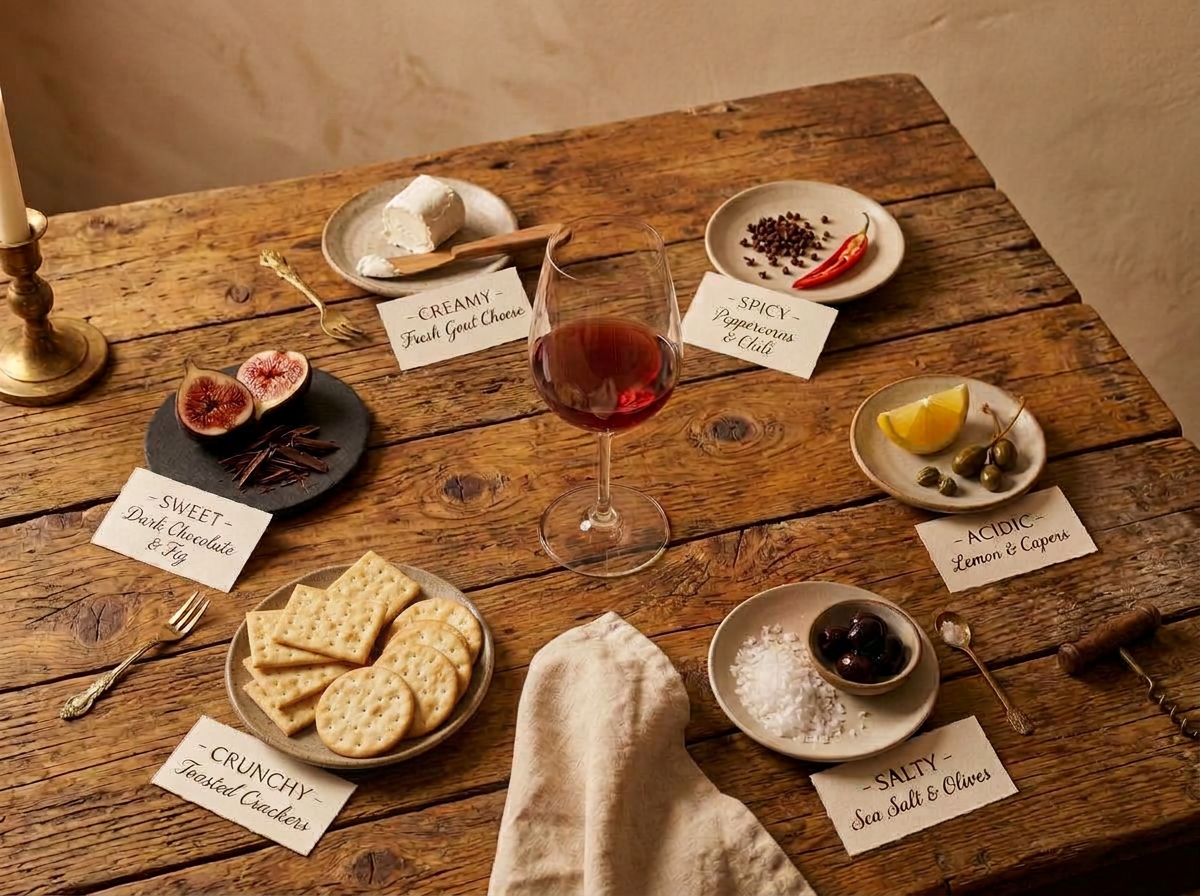
Thursday brings the tasting table: match each style to the right bite, from salty Fino to sweet Pedro Ximénez, and the logic of human choice becomes edible.
Continue Exploring
If this resonated, you might also enjoy:
Sweet Wine and Blue Cheese: The Pairing That Sounds Wrong and Isn’t
Last Updated: Sep 2, 2026
Post Created: Sept 2, 2026

0 Comments