

Not all wine is big and fruity. In fact, most of the wine family lives somewhere else entirely.
Sherry is where that other world announces itself. Taste a Fino and you meet salt and mineral dryness. Move to Amontillado and bitterness arrives—not the kind you avoid, but the kind you notice. Pour an Oloroso and the glass tastes like walnut skin, tobacco leaf, and a dryness that refuses sweetness. These are not flaws waiting to be corrected. These are the wine’s signatures.
For most of us, bitterness in wine feels wrong. We expect sweetness, fruit, softness. We have been trained to taste wine as performance—something that should impress us, deliver comfort, taste familiar. Sherry asks something different. It asks you to notice.
| Bitterness is not a flaw in Sherry. It is the point. Fino’s briny-sour character comes from flor, the yeast veil that protects the wine from oxygen while letting it breathe differently than other wines. Amontillado takes that dryness deeper, moving into almond and leather notes. Oloroso abandons the veil altogether, letting oxidation create nutty, almost tobacco-like complexity. Each stage is intentional. |
The unfamiliar sensation matters. Bitterness in wine demands food. It does not stand alone and ask for appreciation. It asks for a partner.
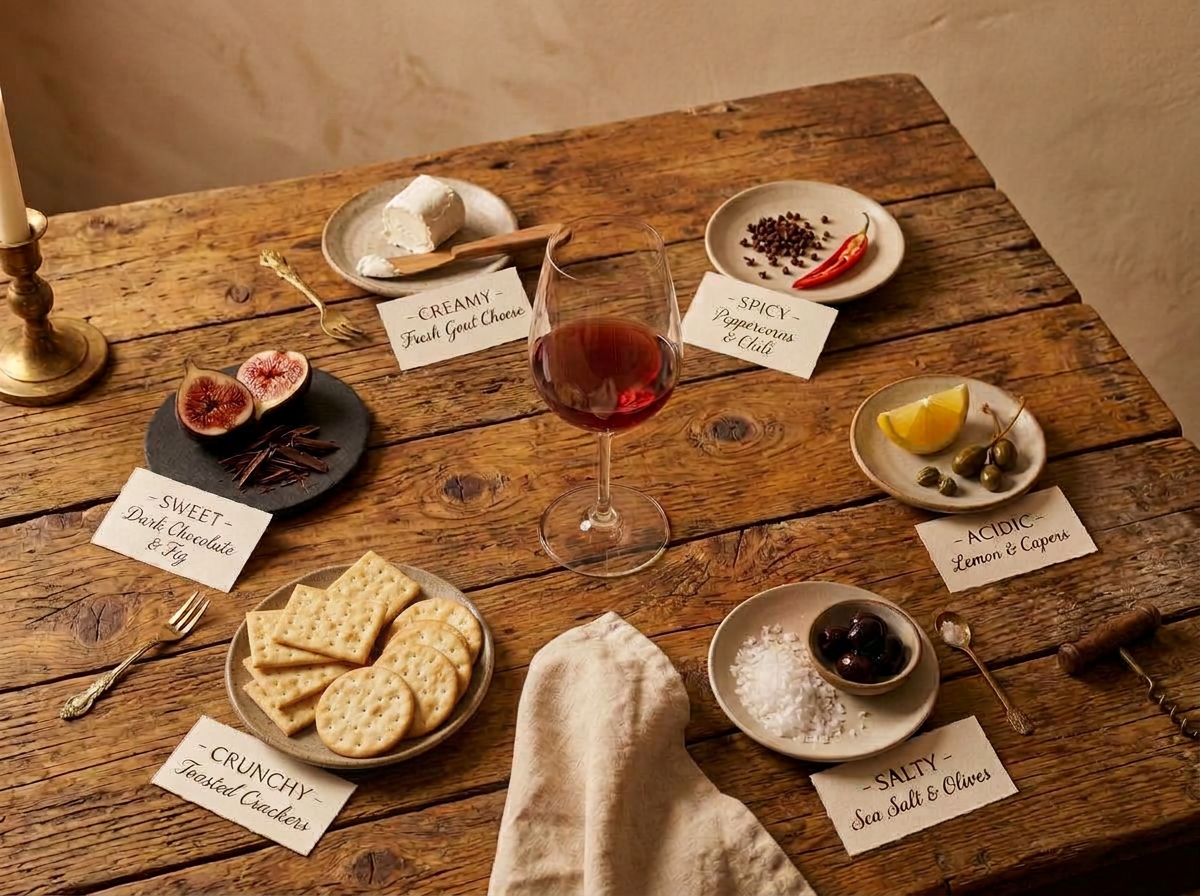
This is where practice becomes visible. A glass of Oloroso by itself might taste harsh, tannic, demanding. That same glass alongside aged Manchego, cured meat, and walnut becomes suddenly generous. The bitterness in the wine finds the bitterness in the food—the walnut tannin, the salt of the jamón, the funk of aged cheese—and they recognise each other.
That recognition is not mystical. It is chemical. But the way you learn it is through your own mouth, your own noticing. You taste the isolation. Then you taste the pairing. Then you understand.
Sherry trains this noticing more sharply than most wines because its range refuses familiarity. You cannot pretend it tastes like Cabernet. You cannot default to what you already know. You have to actually taste what is there.
That is the practice. Not the wine itself, but your capacity to notice what the wine is actually doing, moment by moment, bite by bite. Not performance. Presence.
Read Next
Sunday’s post introduces the full Sherry range and how flor and the solera system make bone-dry to intensely sweet possible from a single grape family.
Thursday brings the pairing table: match each style to the right bite, and bitterness transforms into generosity.
Continue Exploring
Last Updated: Aug 31, 2026
Post Created: Aug 31, 2026

0 Comments